On Tasting Before We Taste
I often ask myself whether a taste exists before anyone tastes it.
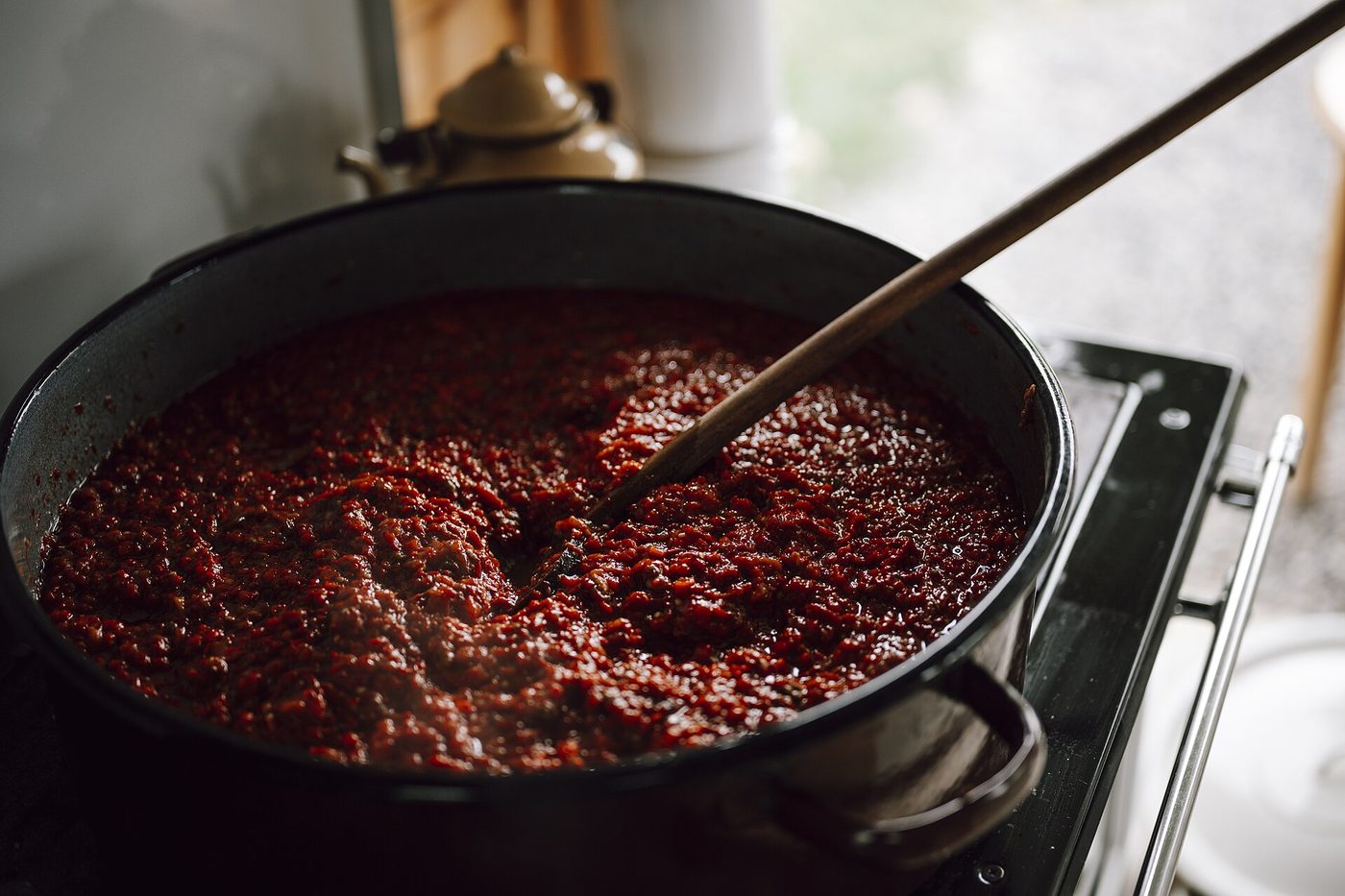
A pot of tomato sauce sits on the stove. The glutamate is already there, dissolved in the water. So are the sodium ions, the citric and malic acids, the fructose and glucose, a trace of guanylate. Everything that will become “savory” or “bright” or “a little too salty” is already floating in the pot, waiting.
But nothing has been tasted yet. Not until a spoon reaches a tongue, and a tongue reaches a mind.
For most of my career, the only way to know how a recipe would taste was to make it and taste it. Then make it again. Then hand it to ten people and ask them to circle a number on a sheet of paper. That’s still the gold standard, and it always will be. But it’s slow, it’s expensive, and for a small food company trying to cut sodium or build savoriness without MSG, it’s often out of reach.
So I started wondering whether we could read the pot before we taste it.
That question became Taste Check, a free tool I built out of my long-running taste research, the Human Flavorome Project. You type in a recipe, and it predicts how salty, savory, sweet, sour and rich that recipe should taste, on a scale from 1 to 10, from the chemistry alone.
It’s a strange thing to build. And it rests on more than a century of people trying to put numbers on something that lives inside us.
In 1907, a chemistry professor at Tokyo Imperial University named Kikunae Ikeda sat down to a simple bowl of dashi, the broth made from kombu seaweed. He tasted something in it that wasn’t sweet, salty, sour or bitter. Something deeper, rounder, harder to name.
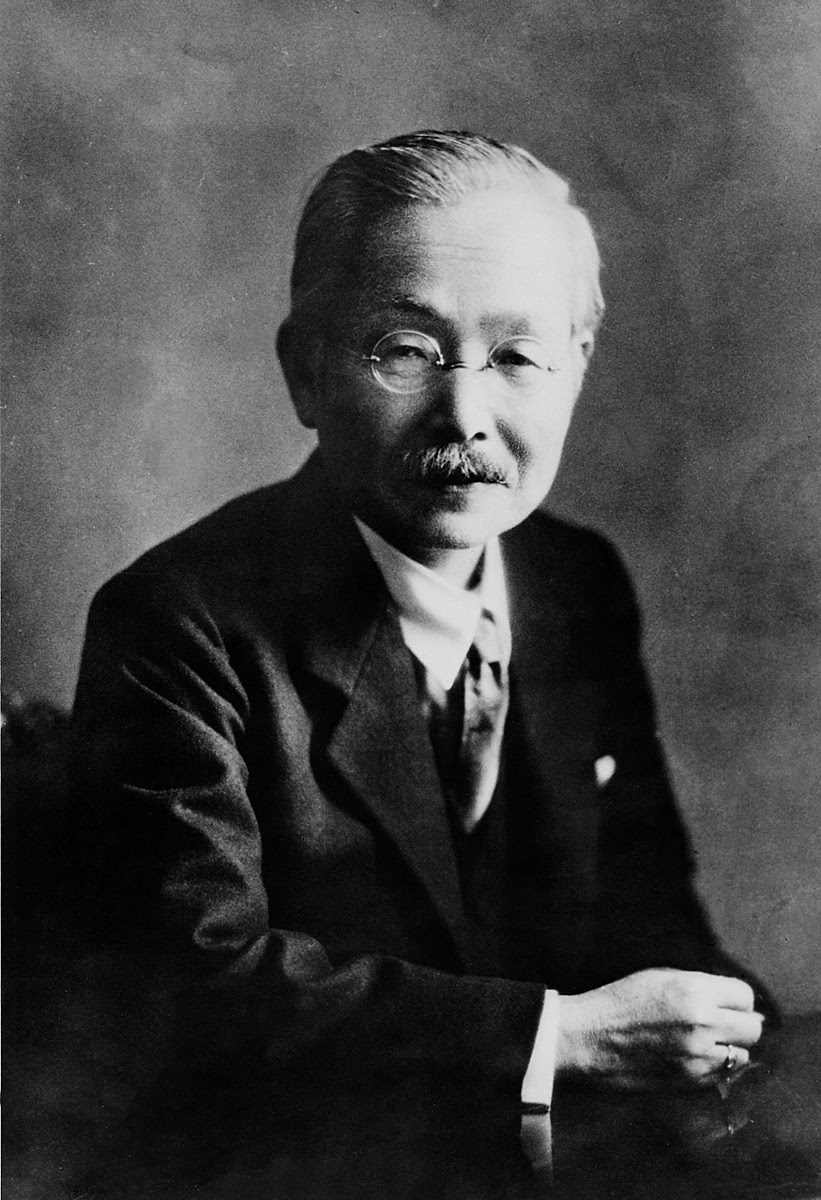
He didn’t let it go. By 1908, he had boiled down kelp and isolated brown crystals of glutamic acid, the molecule behind that taste. He called it umami, from the Japanese word for delicious. Within a year he had a process for making it at scale, and monosodium glutamate went out into the world.
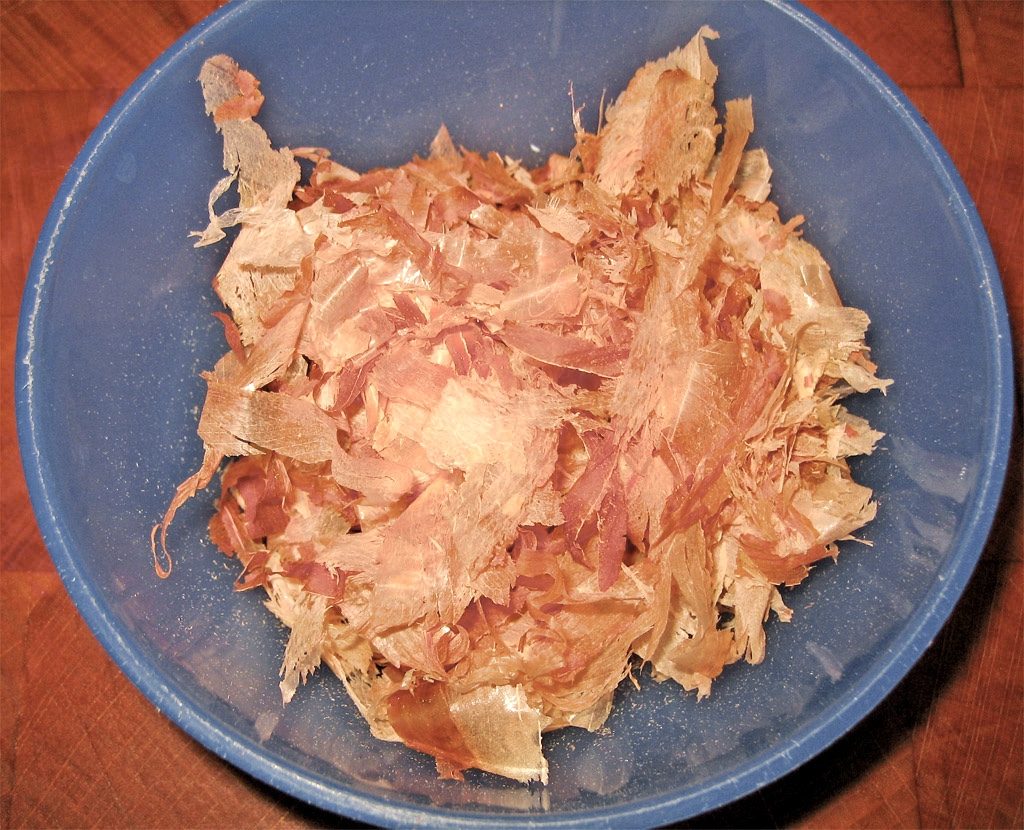
The story kept unfolding through his students. In 1913, Shintaro Kodama found that the savory principle of katsuobushi, the dried bonito flakes in that same dashi, was a different molecule entirely: inosinate. Decades later, in the late 1950s, Akira Kuninaka identified guanylate, the savory compound concentrated in dried shiitake. And he noticed something remarkable. When glutamate and these nucleotides meet, the umami doesn’t add up. It multiplies.
This was the quiet genius of dashi all along. Kelp brings the glutamate. Bonito brings the inosinate. Japanese cooks had been building synergy into their broth for centuries without knowing a single molecule.
Then came the patient, unglamorous work of measurement. In 1967, Shizuko Yamaguchi put numbers on that synergy, writing an equation for how much stronger glutamate tastes in the presence of nucleotides. In 1970, Howard Moskowitz built ratio scales for how sweet each sugar tastes. In 1981, Claire Murphy and her colleagues had people rate the saltiness of sodium and potassium salts across a range of concentrations. In 1990, a team led by Ueda went looking for why garlic made soups taste fuller and found cysteine sulfoxides, the first named kokumi compound.
And in 2010, a team at Ajinomoto led by Ohsu showed that kokumi works through a calcium-sensing receptor, the same family of receptor your parathyroid uses to monitor calcium in your blood. A compound with almost no taste of its own, quietly turning up the volume on everything else.
It took a hundred years for science to explain a bowl of broth.
What strikes me is that none of these people were building a single model. They were each answering one small question, carefully, in their own lab. Taste Check is really just me gathering their answers into one place and asking them to talk to each other.
Here is what happens when you type a recipe into Taste Check.
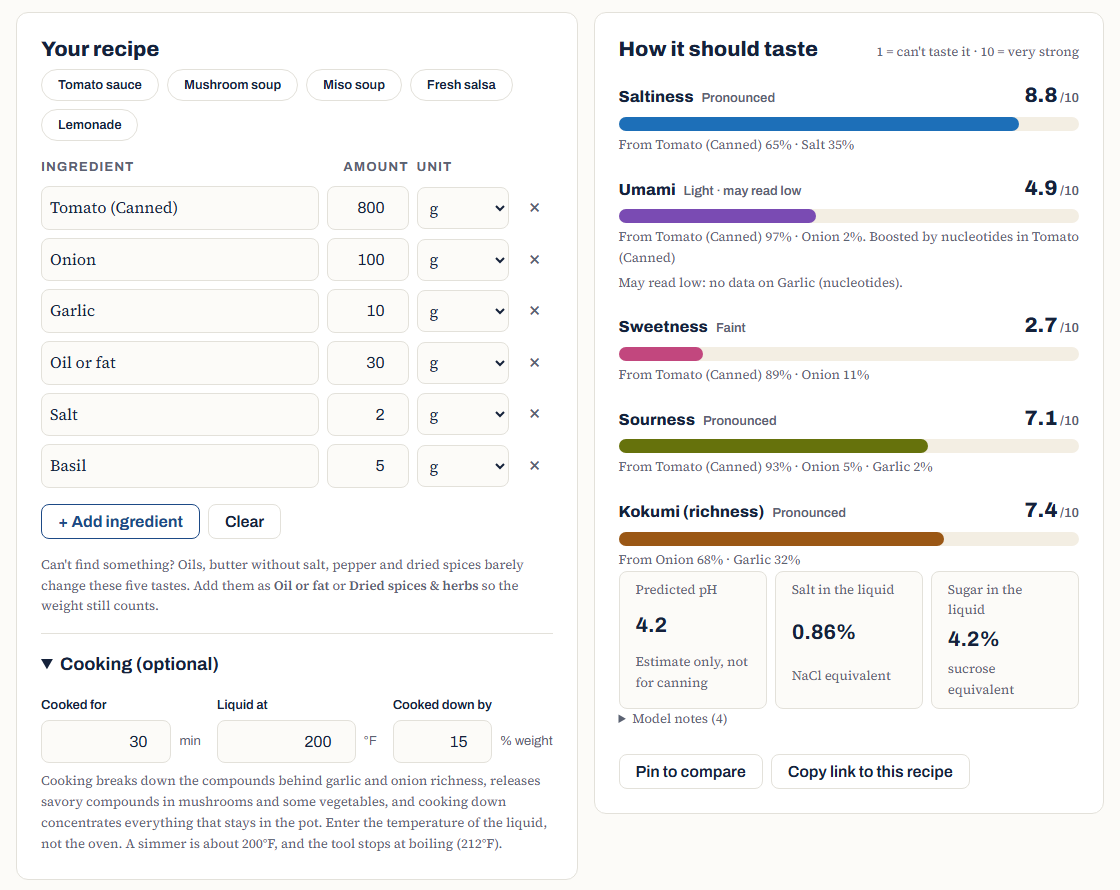
First, it looks up the taste-active compounds in every ingredient, from a database of 380 ingredients and growing. Free glutamate and aspartate. The nucleotides inosinate, guanylate and adenylate. Sodium and potassium. Sugars. Citric, malic, lactic and acetic acids. Glutathione and the sulfur compounds in garlic and onion.
Then it does the one thing that matters most and that people usually forget. It works out the concentration of each compound in the water of the dish, not in the dish as a whole. Your taste receptors live in a wet world. They only ever meet what is dissolved in saliva and liquid. A gram of salt in a cup of broth and a gram of salt in a dry cracker are not the same experience, and the model knows it.
Those concentrations are then turned into intensities using real human taste data. Murphy’s salt curves. Moskowitz’s sugar scales. Yamaguchi’s umami curve and her synergy equation, which lets a trace of guanylate from a tomato or a shiitake multiply the savoriness of glutamate many times over. I cap that multiplier at sixteenfold, because that’s roughly where the published human data runs out, and because a model that lets synergy run to infinity starts predicting that a mushroom tastes like a bouillon cube.
Then the tastes start talking to each other. Acid dulls umami. Sugar takes the edge off sourness, and acid takes the edge off sugar. Salt nudges umami upward. Kokumi, which has almost no taste on its own, makes salt and umami feel fuller and longer. The model even estimates the pH of the whole dish from the balance of acids and bases, the same way you’d do it in a chemistry lab (it’s charge balance all the way down!).
And if you tell it how long you cooked something, it accounts for chemistry in the pot. Heat breaks down the sulfur compounds behind garlic’s richness. Cooking releases nucleotides in mushrooms and some vegetables. Simmering a sauce down concentrates everything that stays behind.
At the end, you get five numbers. Each runs from 1, where you can’t taste it at all, to 10, which is a real solution you could mix in your kitchen. A saltiness of 10 is roughly seawater. A sweetness of 10 is about a soda. A sourness of 10 is straight lemon juice.
When I ran 754 rated tomato sauce recipes through the model, ratings peaked at a saltiness near 8, and complaints of “too salty” climbed above 9.5. Across 4,417 soups, saltier and more savory kept scoring better, and people complained about blandness seven times as often as about too much salt. People, it turns out, are far more afraid of salt than their tongues are.
That said, the model is honest about where it is guessing. Above about a 6 in saltiness, it’s past the range where Murphy measured human responses, so it’s extrapolating. The boost that salt gives umami comes from recordings of taste nerves in dogs, because nobody has measured it properly in people yet. And the kokumi scale is anchored to the calcium-sensing receptor in cells in a dish, not to a human tongue.
It also can’t see bitterness, aroma, heat or texture. It predicts five basic tastes, and flavor is so much more than that.
For small food producers, that’s still useful. If you’re cutting sodium toward FDA’s voluntary sodium reduction targets, you can see how much of the savoriness glutamate, nucleotides and kokumi can carry before you spend a dollar at the bench.
And yet, every time I watch the numbers move, I come back to the same question.
Who is tasting?
A score of 8 for saltiness is a prediction about an experience that hasn’t happened yet. It describes a pattern in the chemistry, but the saltiness itself, the bright, mouthwatering rush of it, only comes into being when someone actually eats. The model can read the pot. It can’t be the one who tastes it.
I think about a tomato ripening on the vine. As it turns from green to red, its glutamate climbs, its sugars rise and its acids soften. The plant is writing a message in chemistry, an invitation to be eaten, so that its seeds can travel inside some animal and land somewhere new. Our tongues evolved to read those messages. Sweet means energy. Umami means protein. Salt means minerals we can’t live without. Sour warns us of unripe fruit, or of something just beginning to spoil.
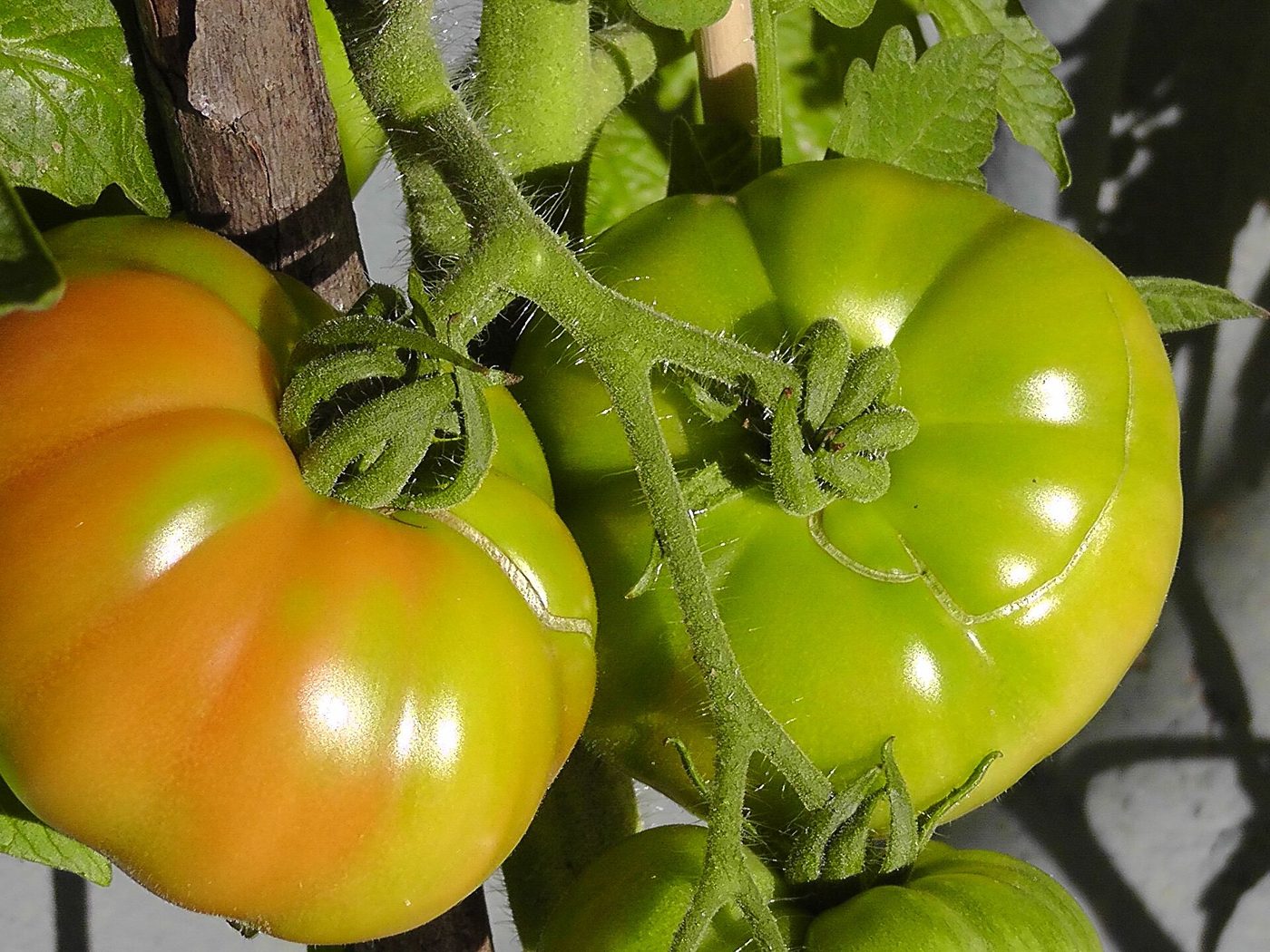
In a sense, taste is the oldest conversation on earth, between the eaten and the eater. Plants and animals, microbes and grains, life offering itself to other life and asking to be carried forward.
Taste Check is just a way of eavesdropping on that conversation. It translates the message, and it can tell you roughly how loud it will be. But the meaning only arrives when the message reaches someone.
Of course, this all goes back to when my mom used to cook Vietnamese chicken noodle soup, phở gà, something she’d save for us kids every so often through the year as a treat. And I always remember the little parts that made the soup richer, fuller, heart-warming. And while I won’t be able to taste her soup again, I’ll always remember the way she’d come out from the kitchen with a nice warm bowl for my sister and I to eat and how those memories felt.
An experience passed to her from my grandmother, and from her to my niece. A part of being this human family we get to live.
Maybe that’s the most honest thing a model can do. Point toward the experience, then step aside.
Measured. Predicted.
Tasted.