The blog · Page 6 of 9
Food science, explained
- All posts
- Big Questions
- Building a Food Business
- Cooking & Baking Science
- Fermentation
- Flavor & Taste
- Food Safety & Preservation
- Ingredients & Food Tech
- Nutrition & Health
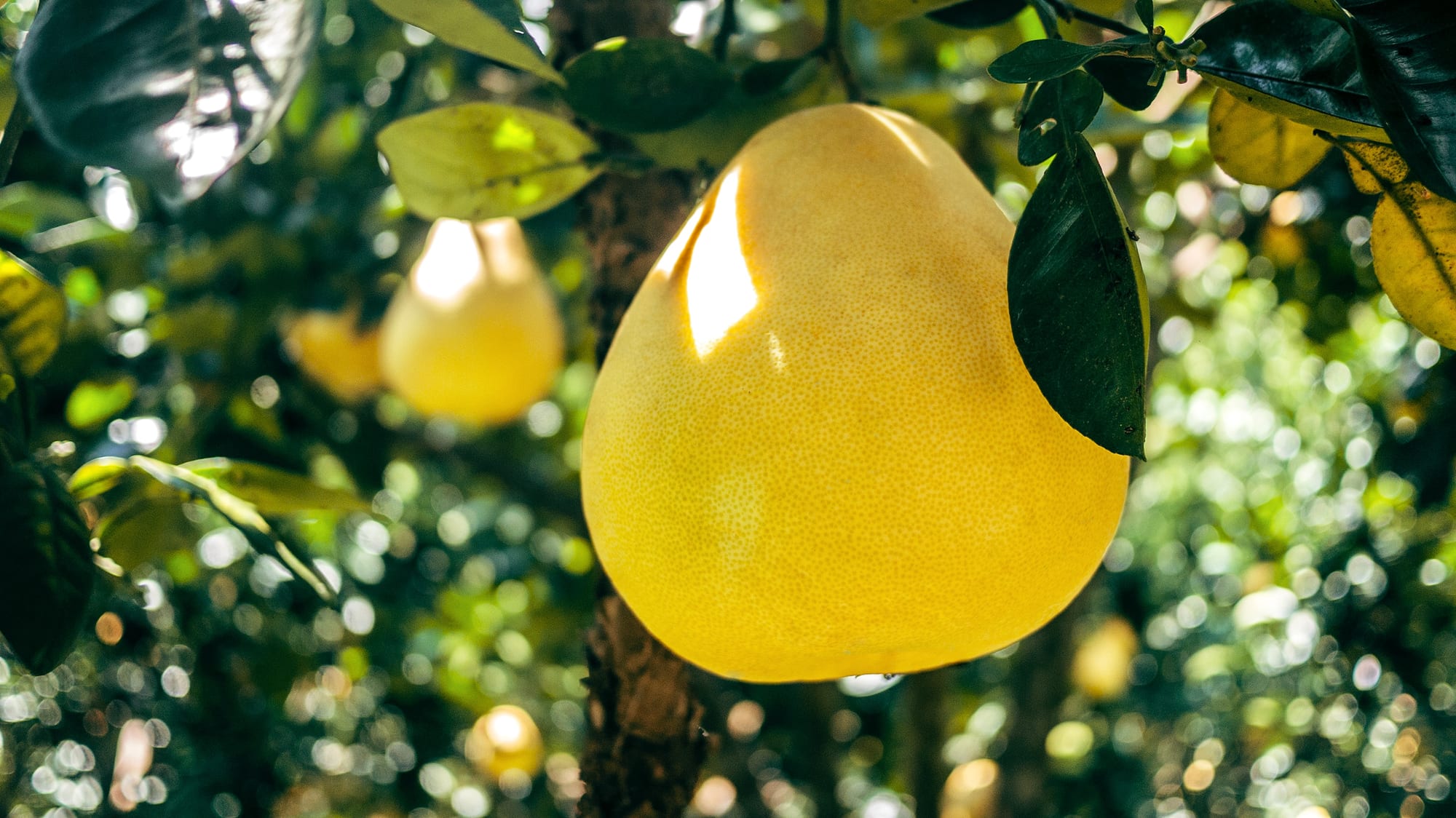
What Are Pomelos Typically Coated with in the US?
Do pomelos contain formaldehyde?
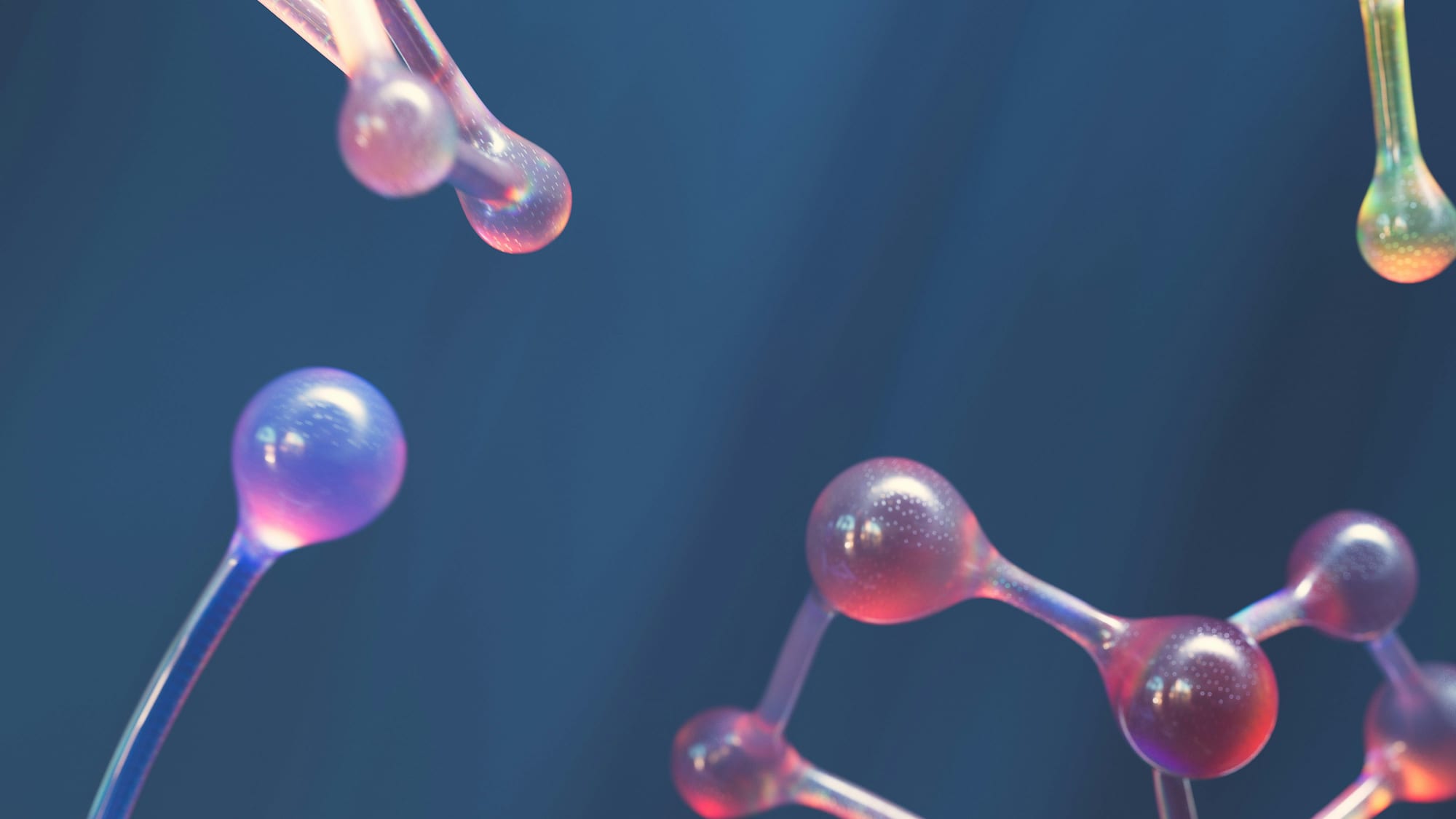
How Does the Phenyl Group Participate in the Maillard Reaction?
What is the role played by the phenyl group in a Maillard reaction? Does it change the reactivity in any way?
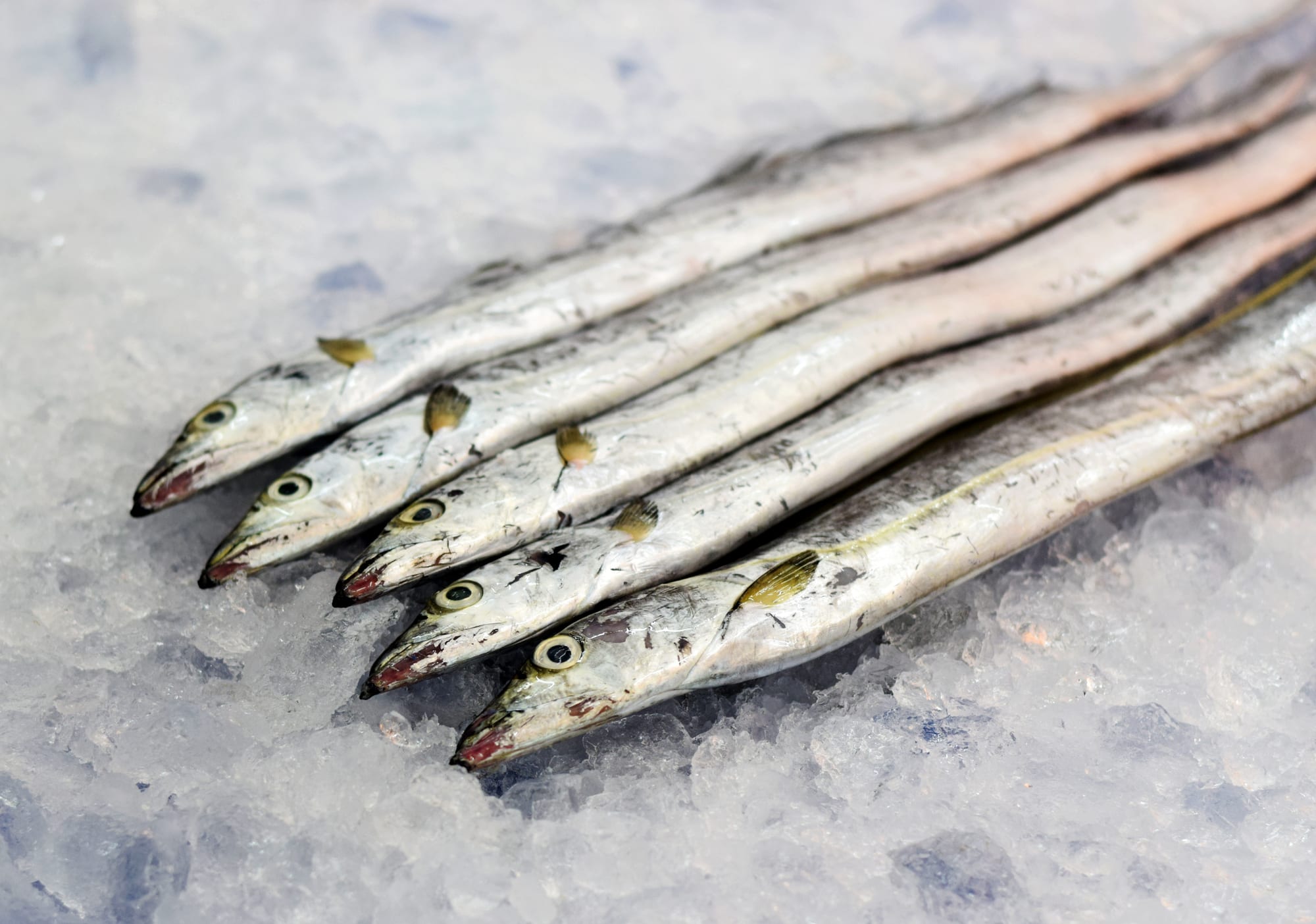
Is There a Way to Remove Mercury From Fish?
Are there any ways to remove toxic mercury from fish without impacting the the taste and flavor of fisH?

Are There Any Theories as to Why Food Tastes Good and Taste Buds Developed?
Are there any theories as to why food tastes good? What is the driving force for evolution developing a way for our bodies to register good tasting…
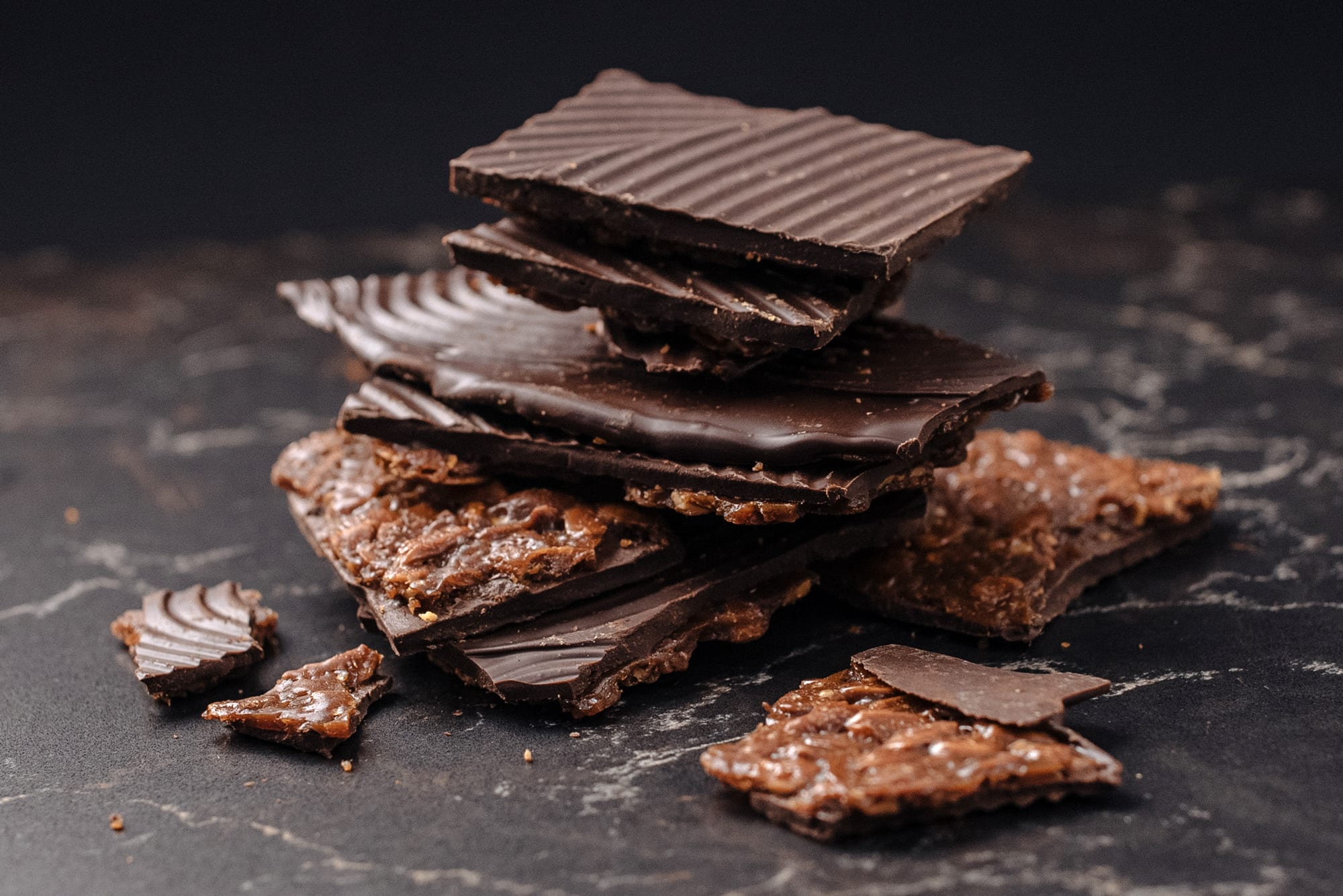
Why is Lecithin in Chocolate?
Why is lecithin often found in chocolate? What's its purpose for making sure chocolate remains smooth?

How Do Vegan Egg Replacements Work?
What are some examples of plant-based egg replacements?
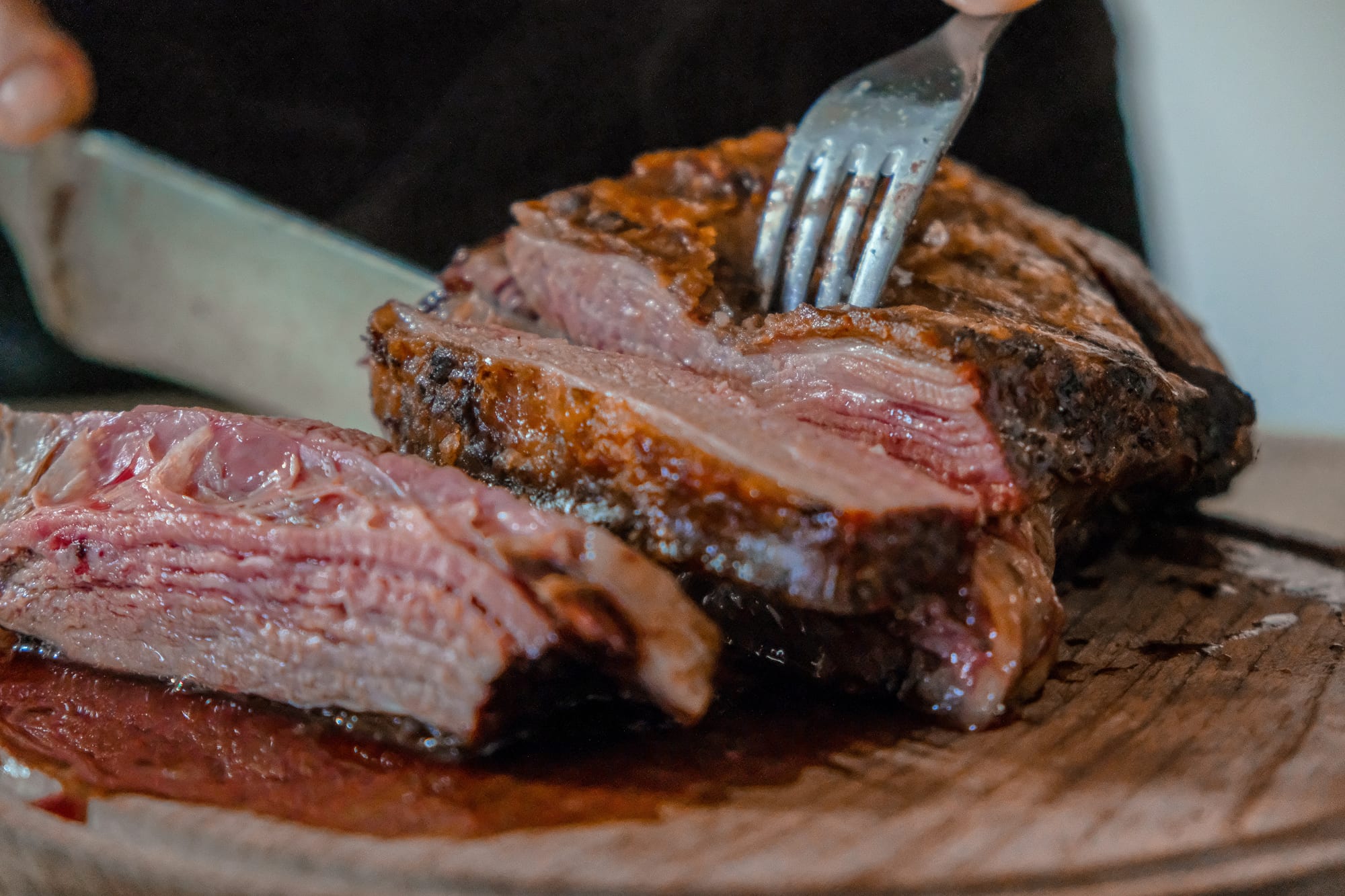
How Can Meat Reach a Safe Cooked Temperature and Still Be Moist?
How is that meat can remain moist despite being heated?
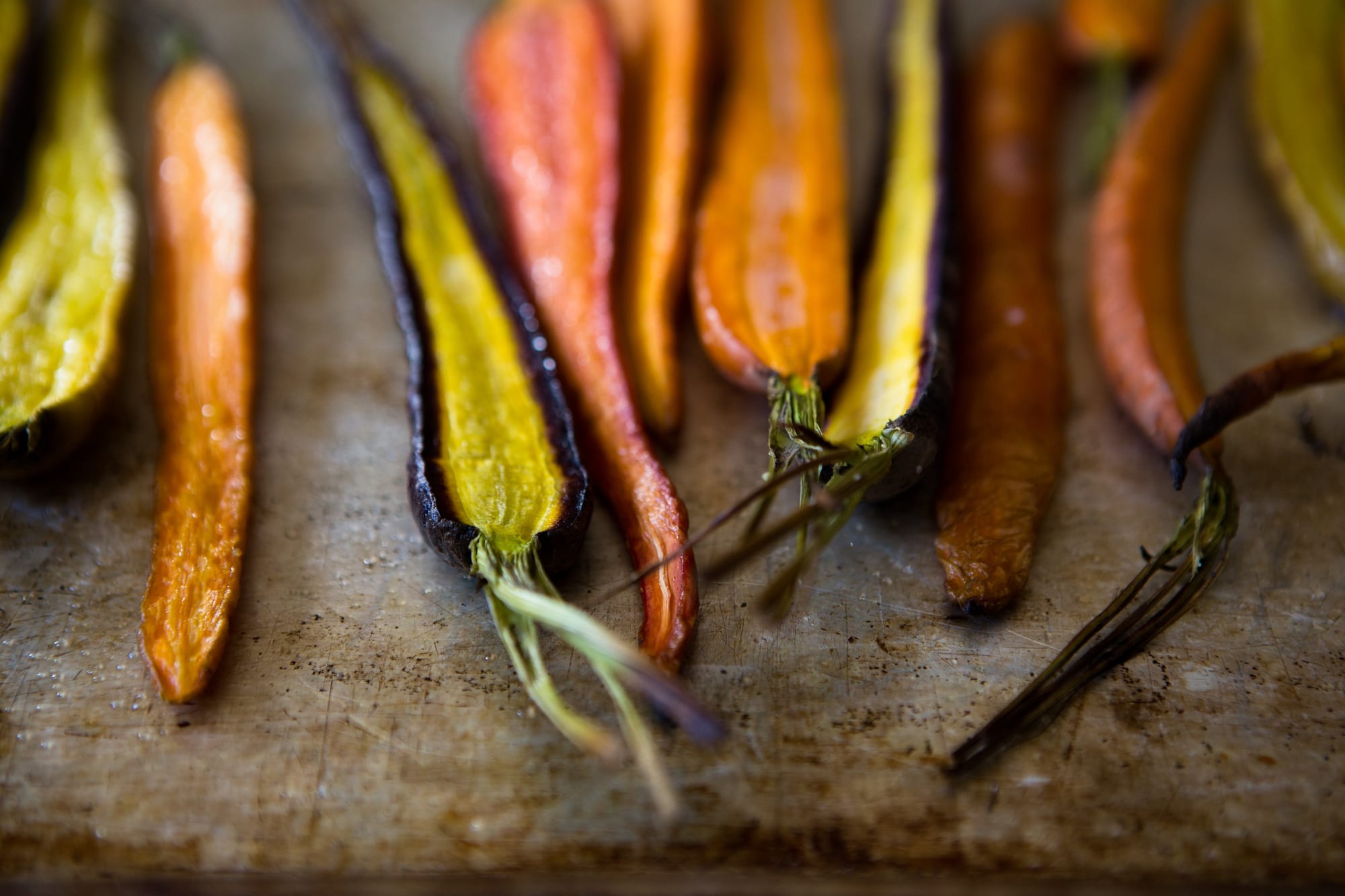
Can Caramel Flavor Exist in Savory Foods?
Caramel is often connected with sweets. But there's many reactions that can happen in savory foods, too!
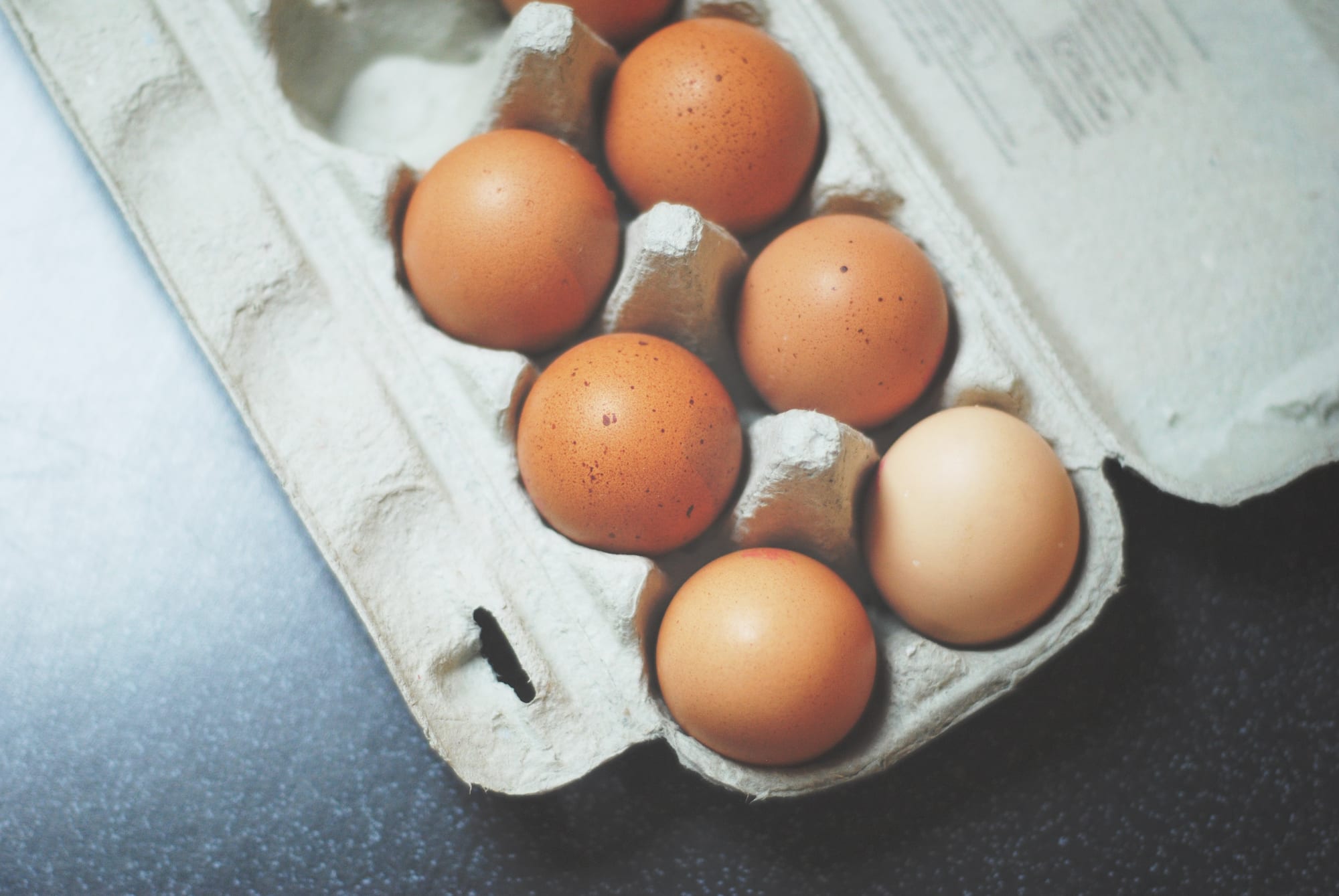
How Do You Keep Eggs Fresh?
Now that we're starting to see an uptick in the price of eggs, it's best to figure out how to keep them fresh.
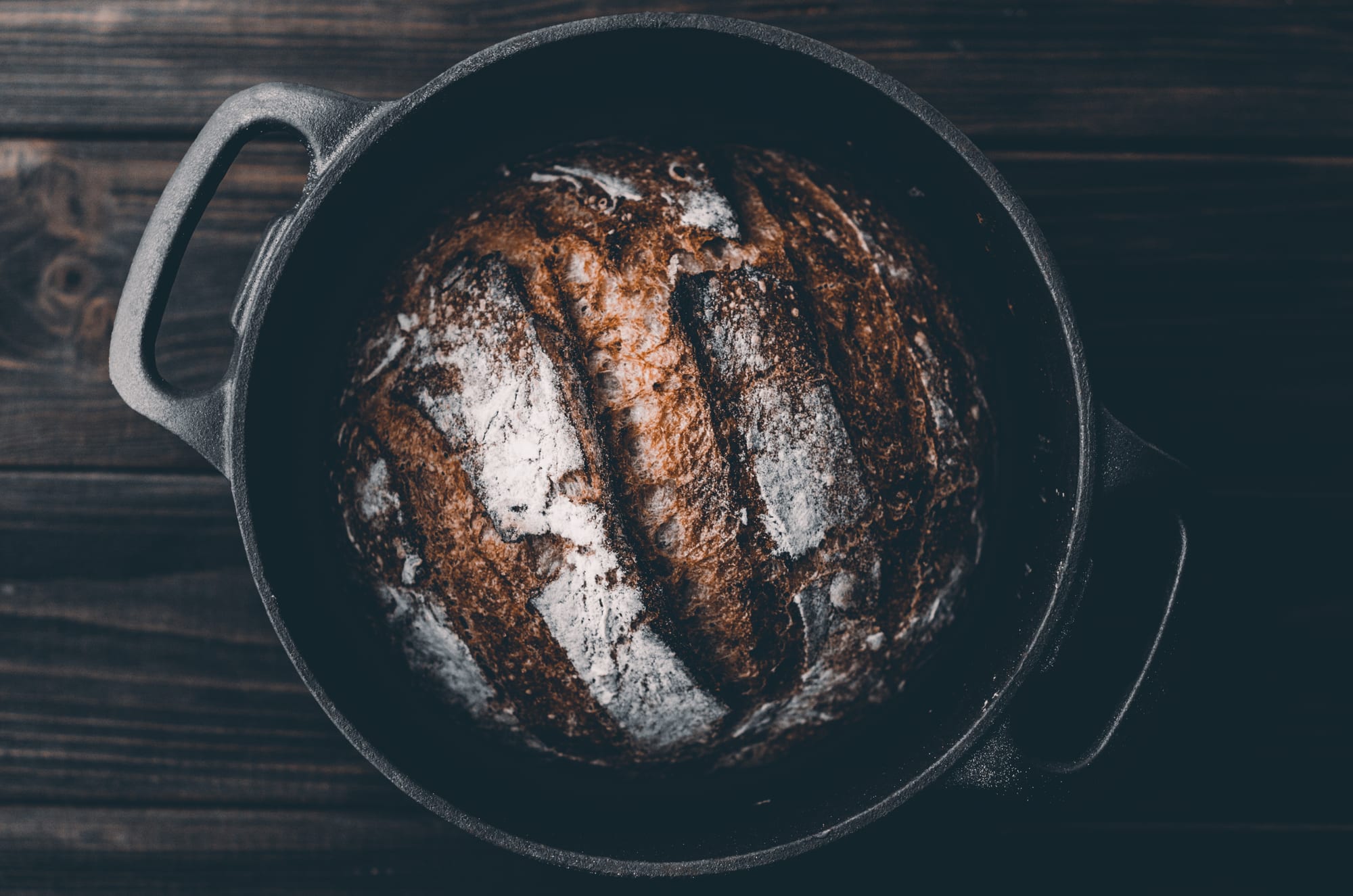
What Are the Benefits of Cast Iron Cooking?
The iron in cast iron pans can transfer over to your cooking, with both positive and negative effects.
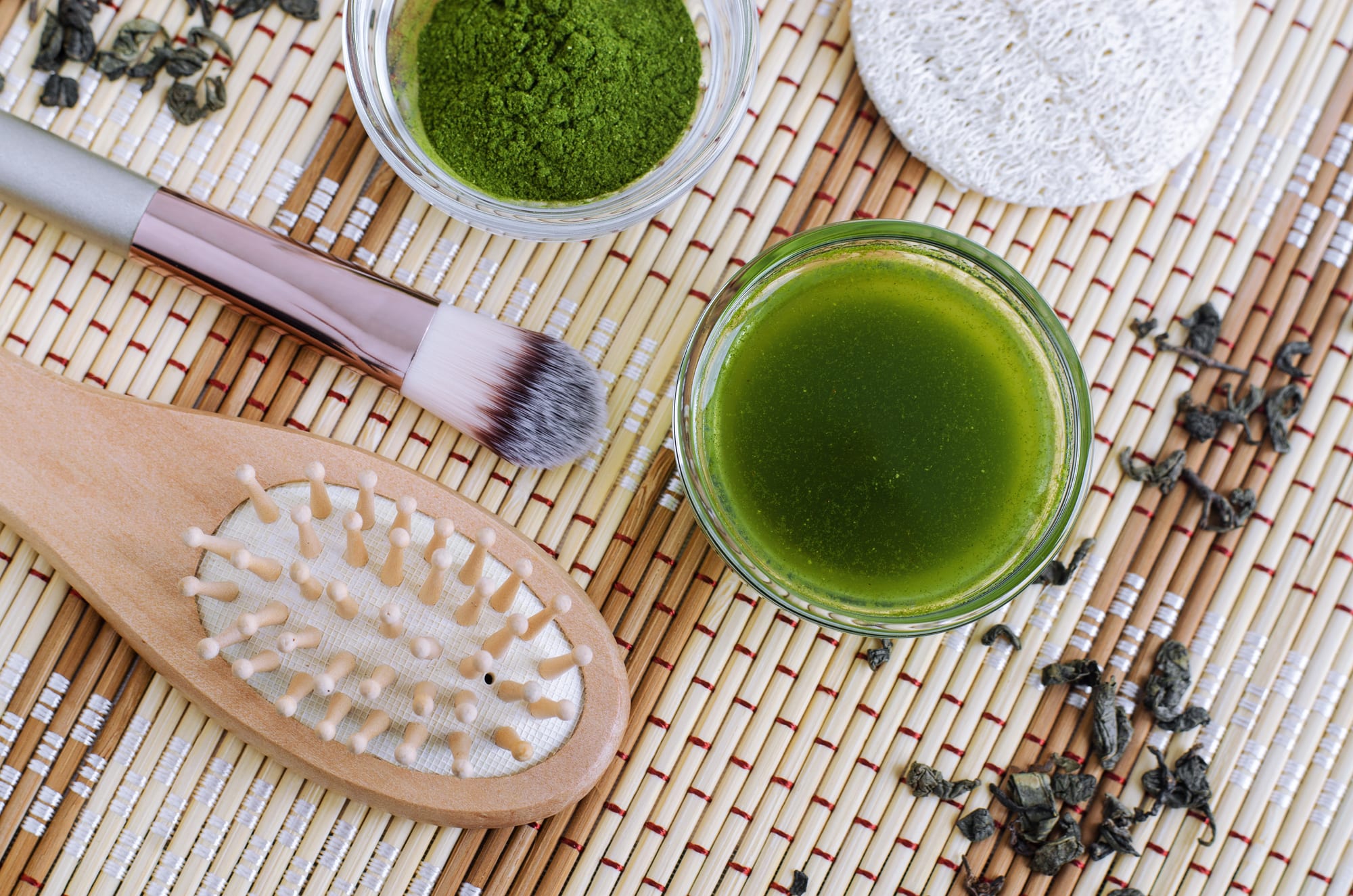
What's the Difference Between Matcha and Coffee?
There's a lot of similarities between matcha and coffee, but at the end of the day, matcha is still tea.
What Are Microplastics and How Do They Get In Our Food?
What exactly are microplastics and how do they eventually end up in our food?