The blog · Page 7 of 9
Food science, explained
- All posts
- Big Questions
- Building a Food Business
- Cooking & Baking Science
- Fermentation
- Flavor & Taste
- Food Safety & Preservation
- Ingredients & Food Tech
- Nutrition & Health

How Will Tariffs Affect Food Prices and the American Diet?
The tariffs on food and other commodities may have far reaching consequences for the American diet.
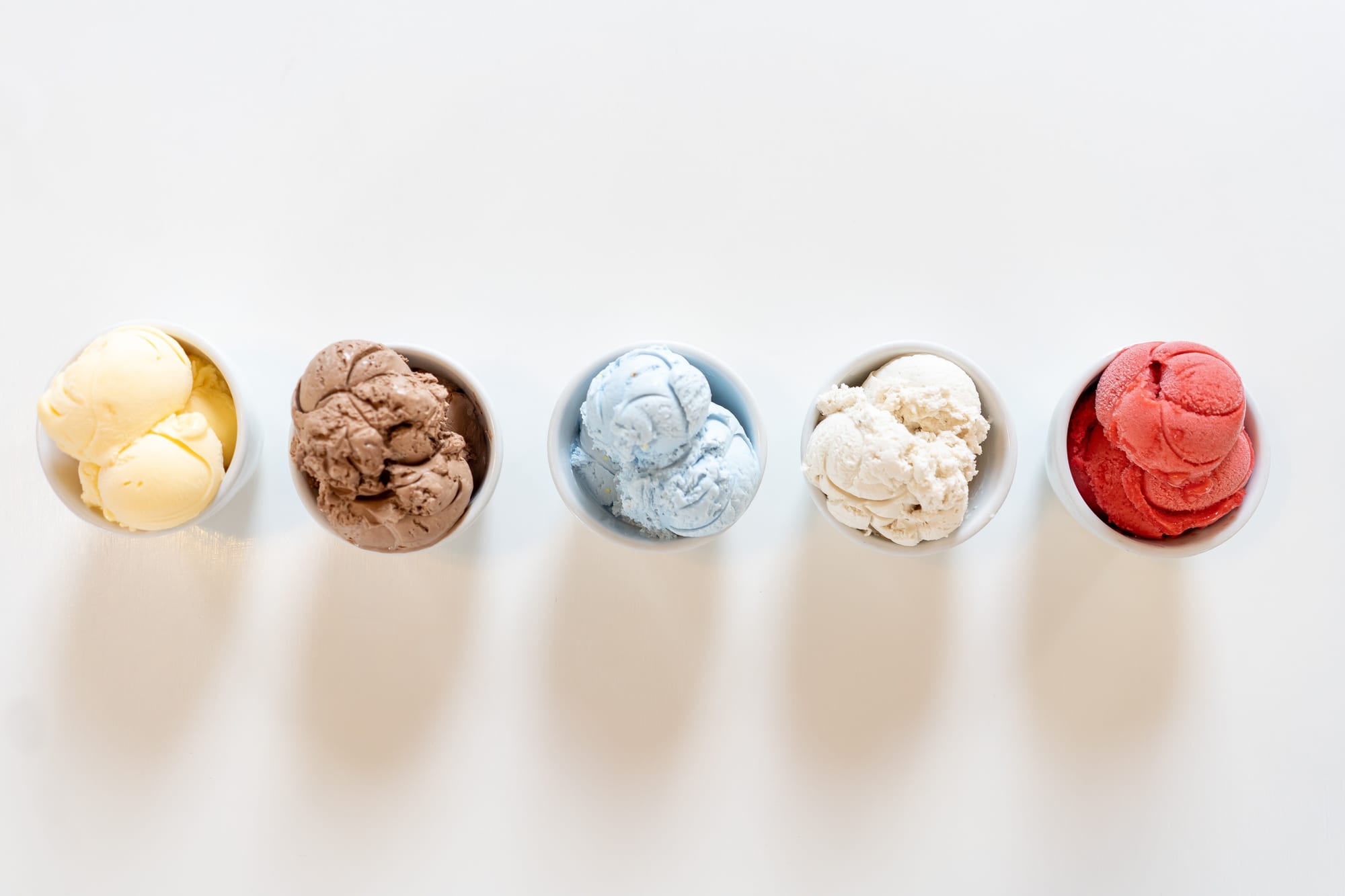
What's the Latest Advances in the Ice Cream Industry?
The future of ice cream is in processing and clean-label ingredients.
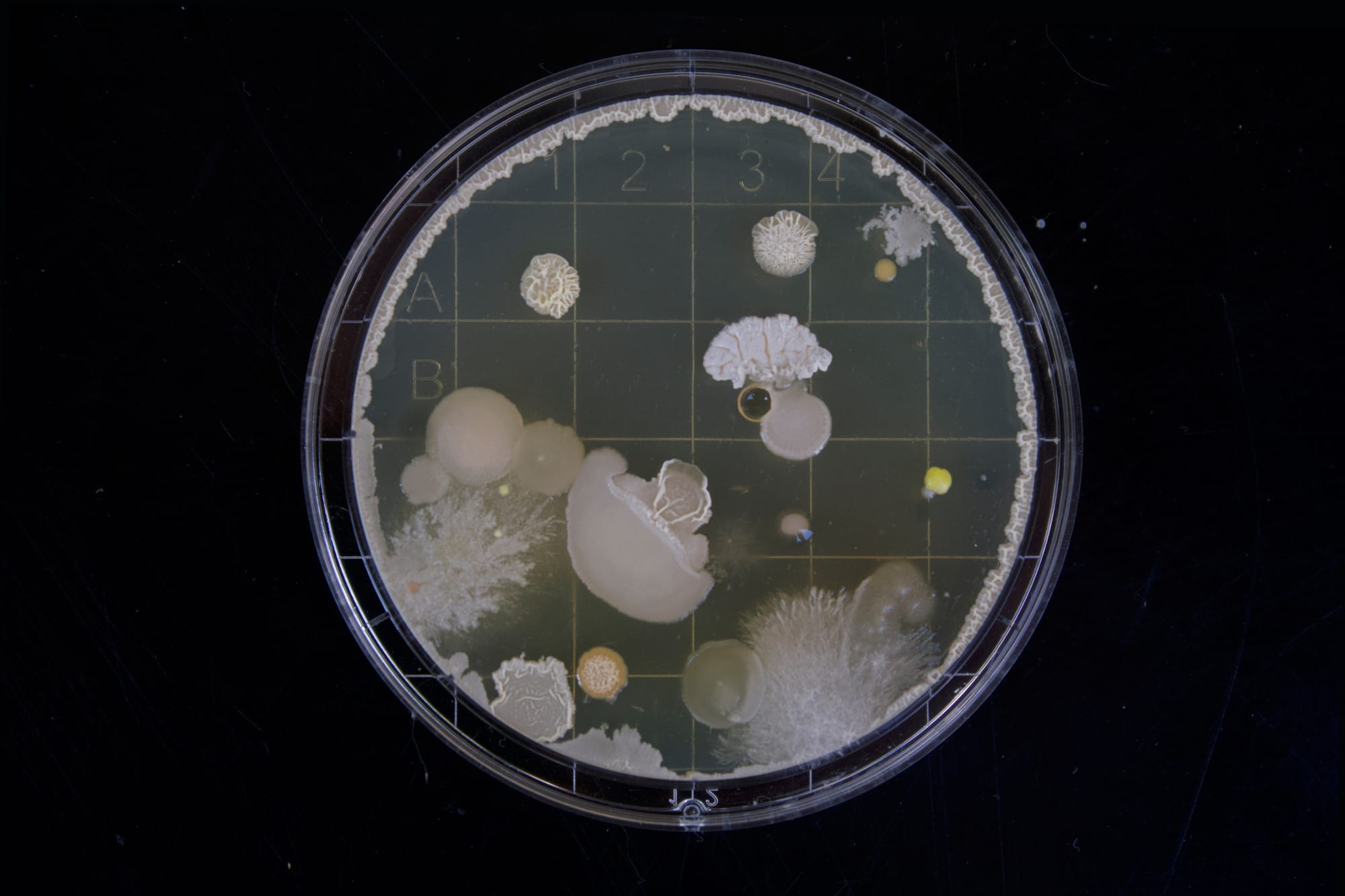
Are the Bacteria That Survive Heat Treatment Always the Same?
Are the bacteria that show up after pasteurization always the same ones? Do they adapt to the heat?

How Is Schrödinger's Cat Both Dead and Alive?
The paradox of Schrödinger's cat in a box.
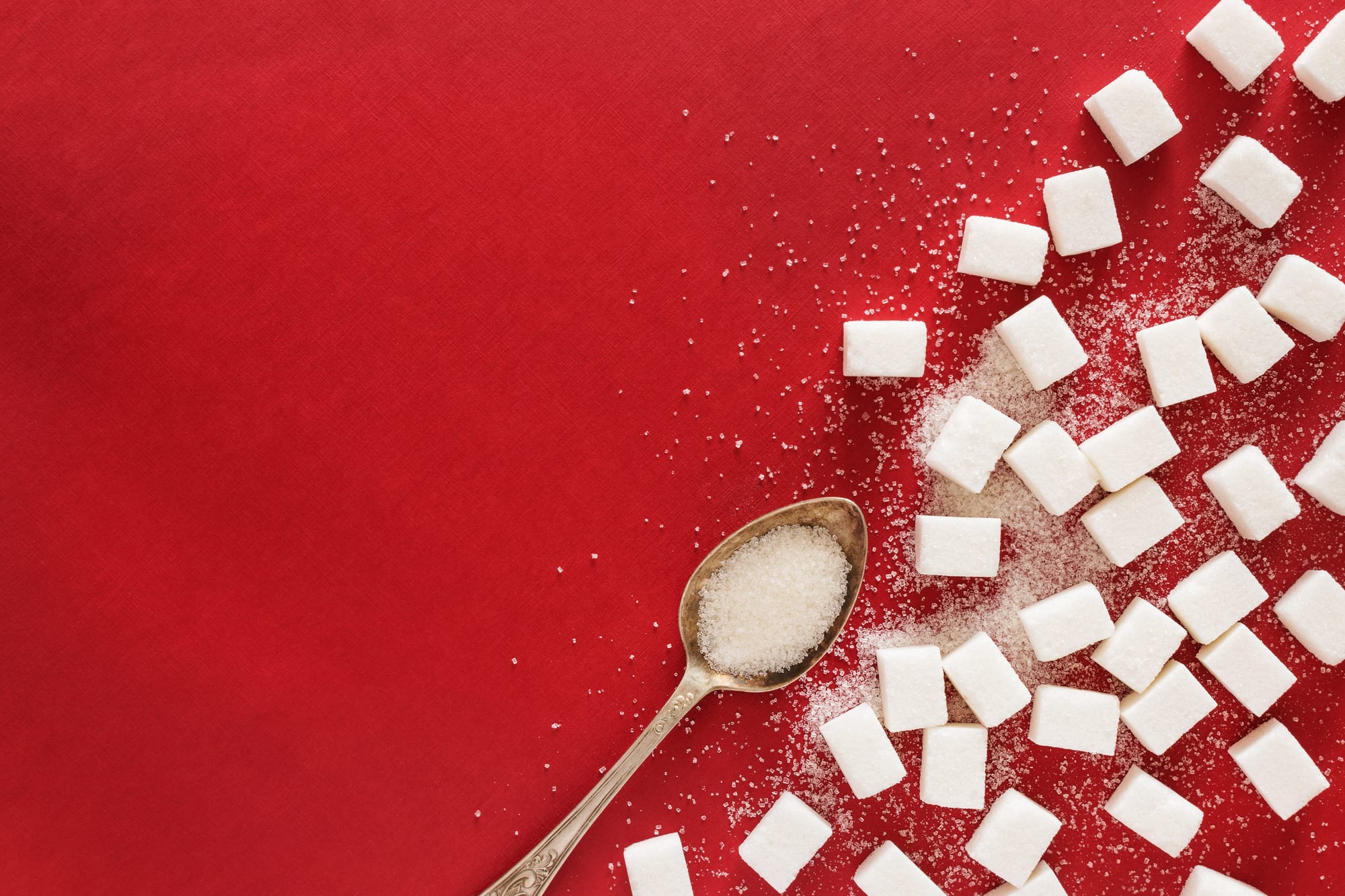
How Does Refined Sugar Differ from Fruit Sugar?
What is it about fruit sugar that's different from refined sugars? The difference is in the details.

Why Is There a Good Vanilla Artificial Flavor, But Not an Artificial Chocolate Flavor?
While there's artificial vanilla flavor that's often sold in the grocery store, we hardly see artificial chocolate flavor.

How Do Nutrition Facts Account for Undigested Material?
If fibers and other macromolecules are undigested, how are they accounted for in the nutrition label?
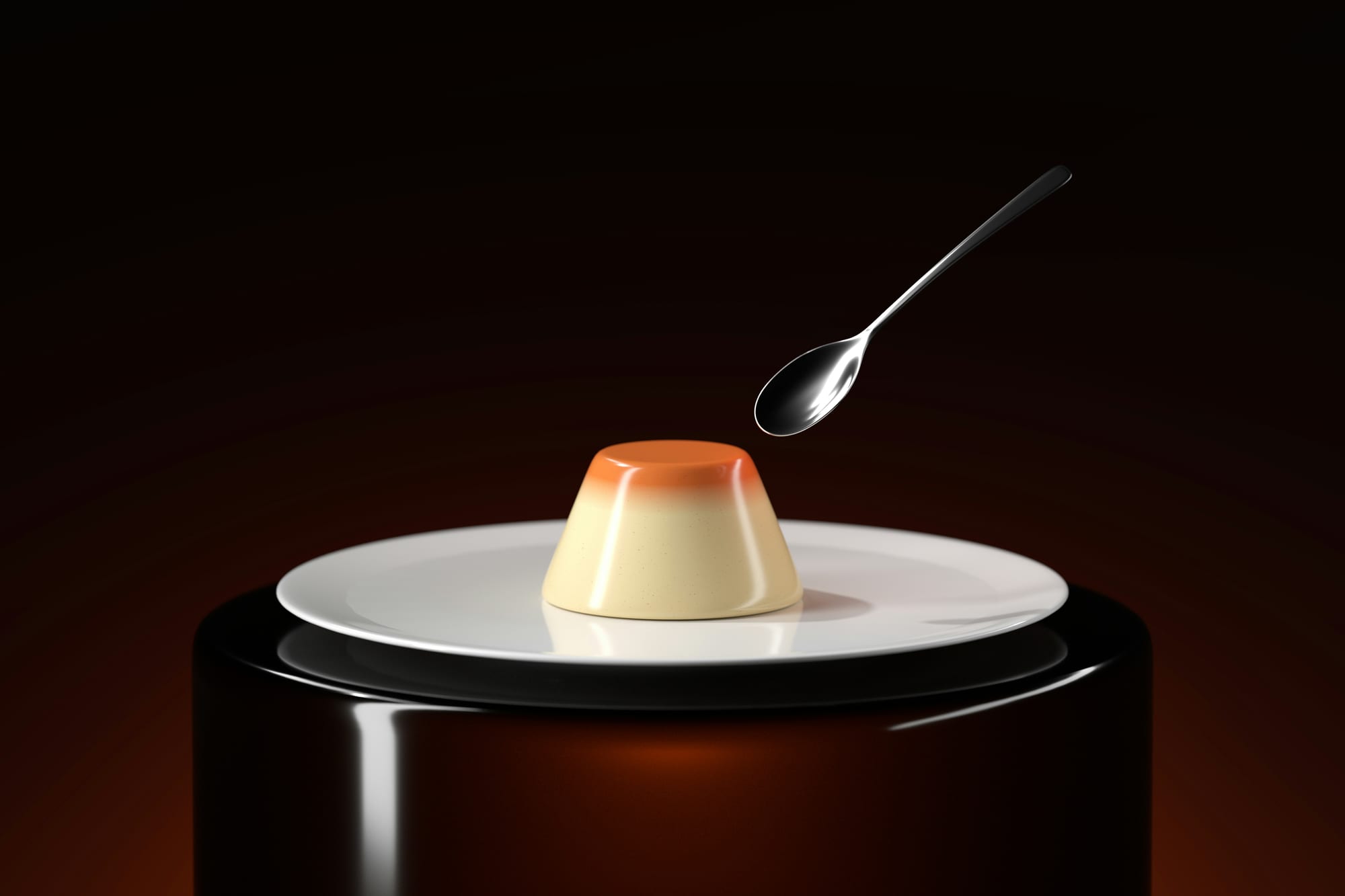
How Are Foods Like Rice Pudding Preserved?
How are foods like Kozy Snack rice pudding capable of having a shelf-life of 70 days in the refrigerator?

Why Don't Humans Have the Cellulase Enzyme?
It seems wasteful that humans don't have a cellulase enzyme. Why haven't they evolved one?
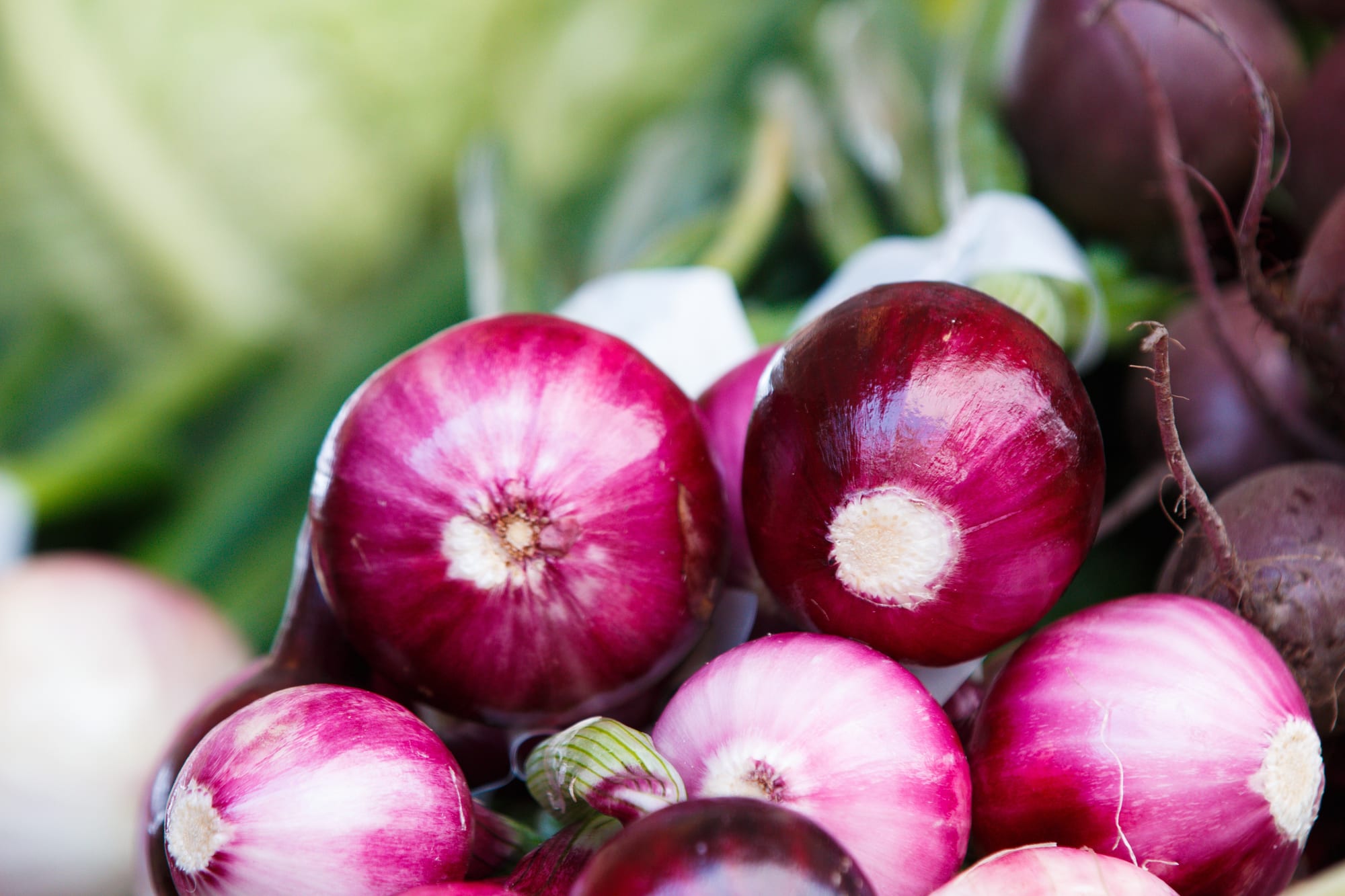
Why Are Garlic and Onion Used in Most Savory Cuisines?
What is it about these vegetables that give foods their savory deliciousness?

Why Is It that All Gases End Up the Same Volume?
Why is it that all gases, despite having different molecular sizes, end up with the same volume under the same conditions?
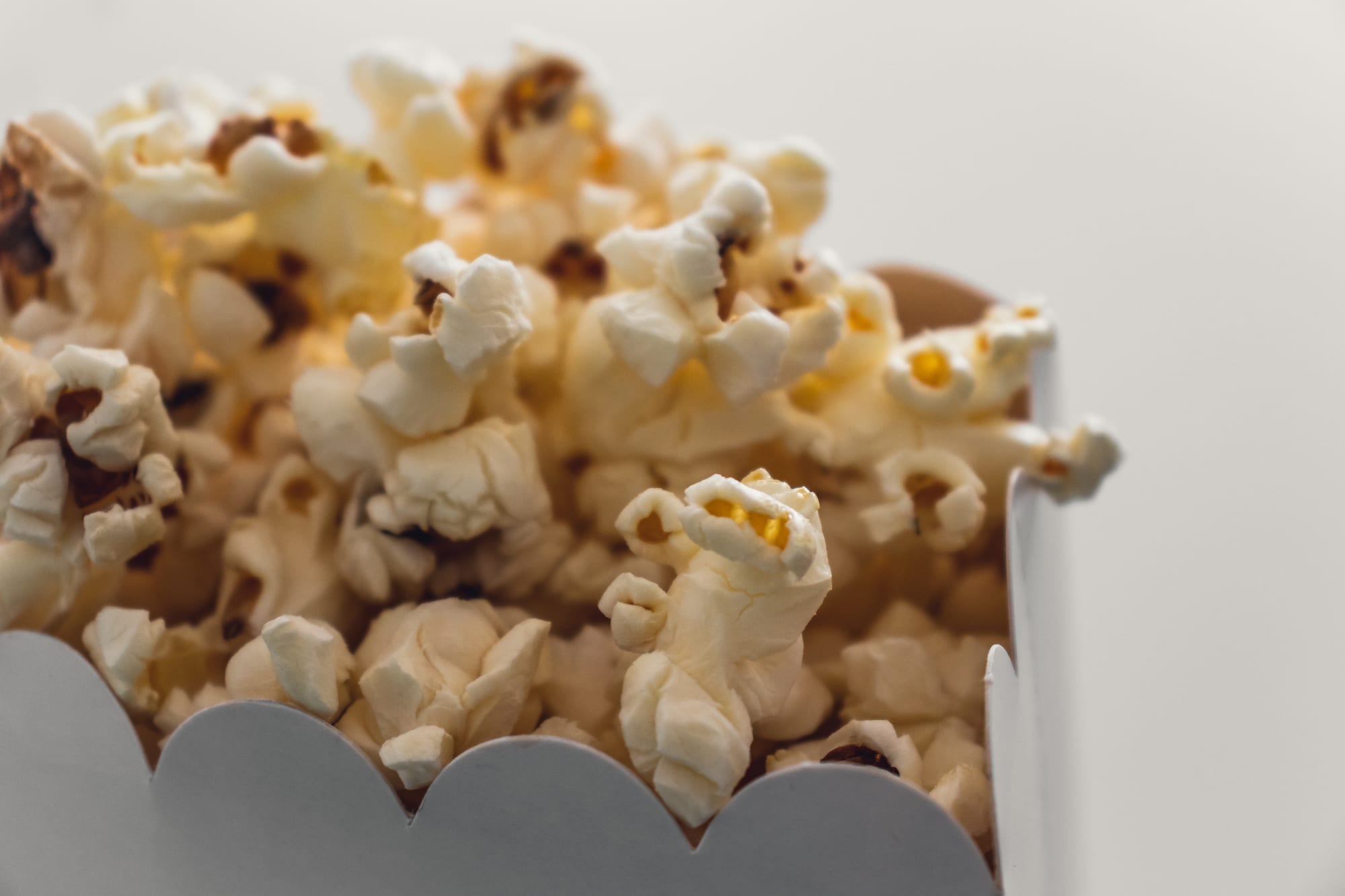
How Do You Sell Popcorn Online?
Popcorn goes through changes that affect its texture and flavor. So how is popcorn kept shelf-stable?