Category
Cooking & Baking Science
- All posts
- Big Questions
- Building a Food Business
- Cooking & Baking Science
- Fermentation
- Flavor & Taste
- Food Safety & Preservation
- Ingredients & Food Tech
- Nutrition & Health
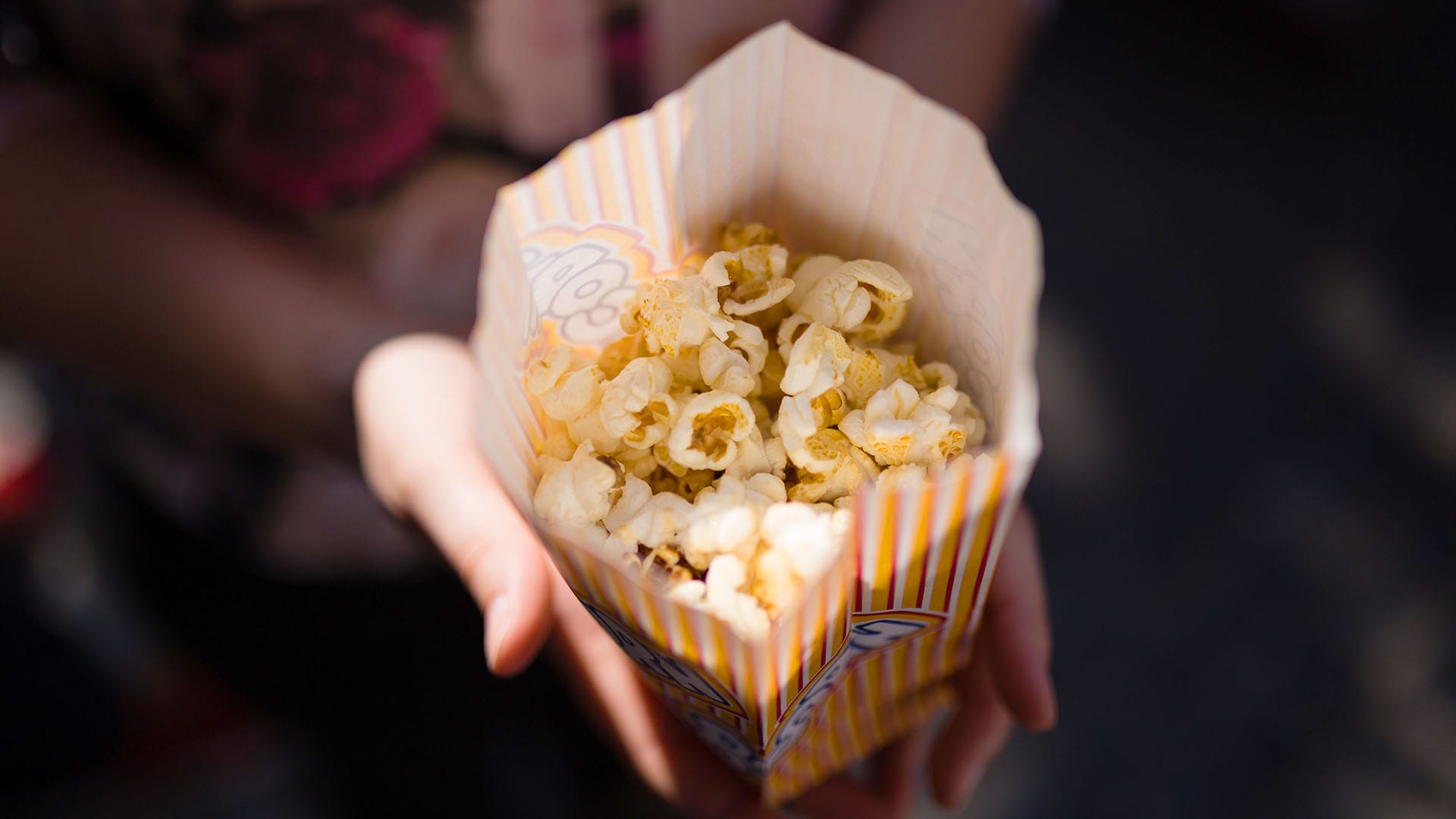
The Science Behind Popcorn
What makes popcorn pop? Popcorn is made from a specific corn kernel that expands and pops when it’s heated.
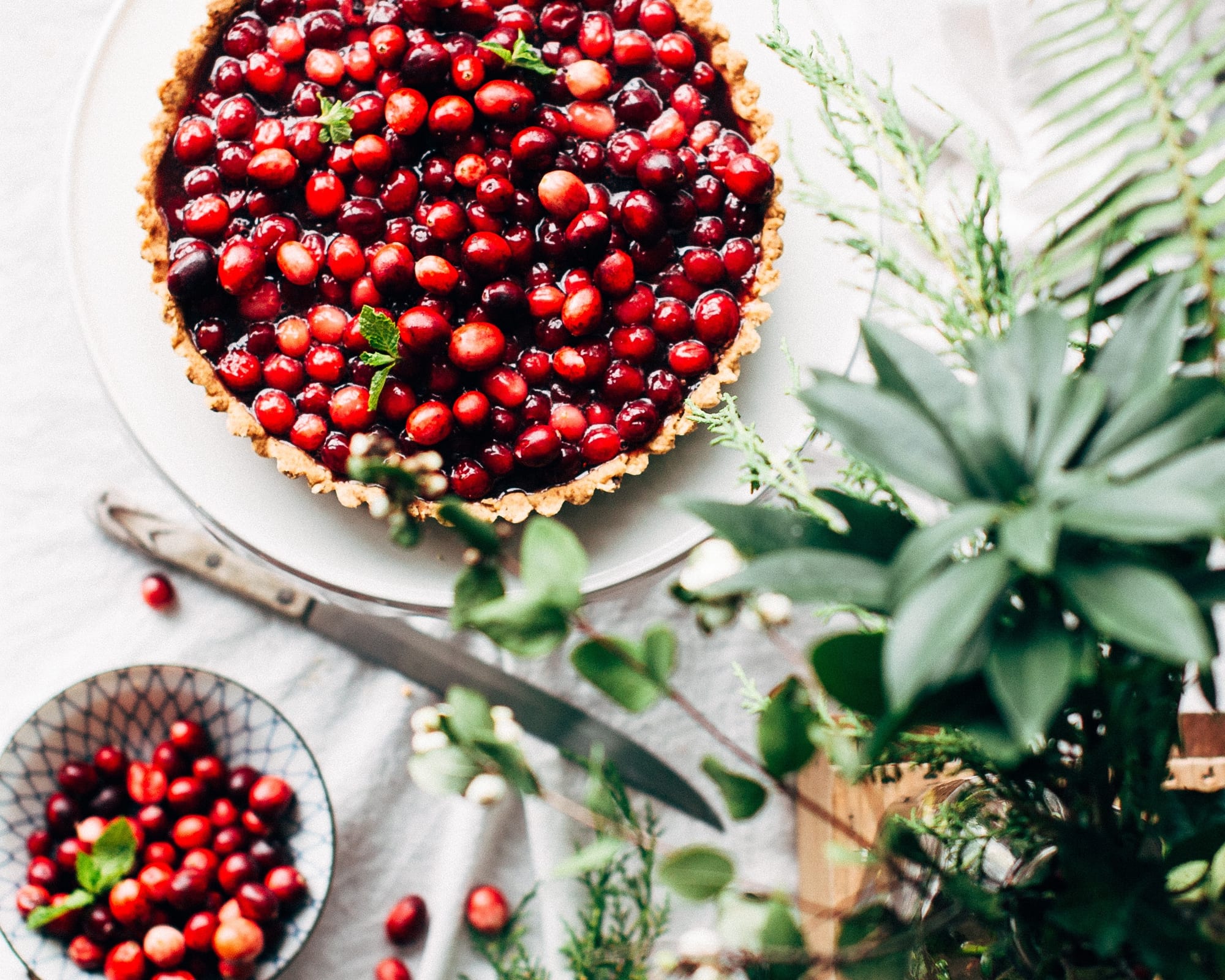
The Berry That Bounces
In 1912, Marcus Urann set up a cooking and canning operation at his bog in Hanson, Massachusetts, and began selling cranberry sauce under the name…
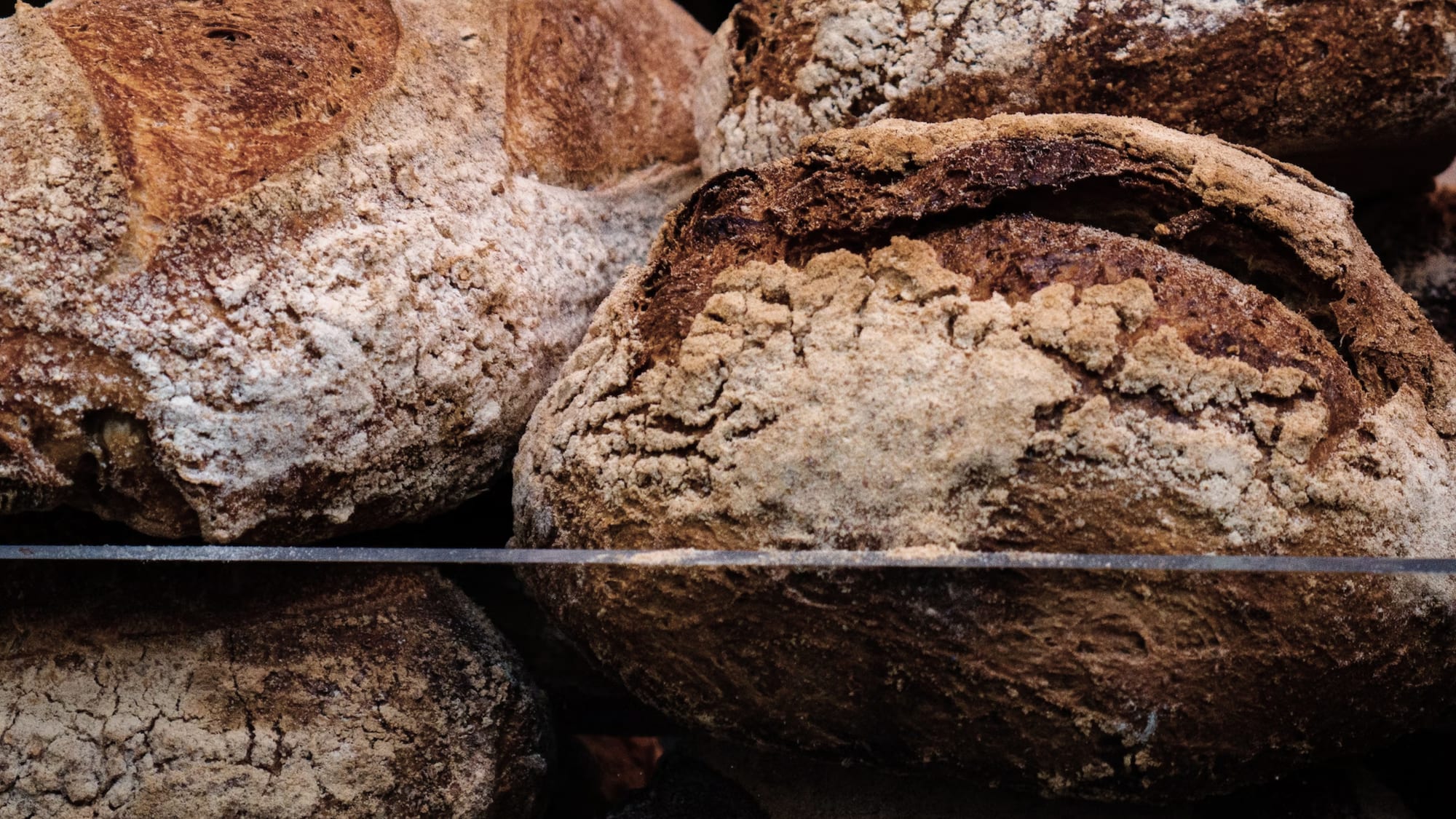
The Science of Rye
Rye bread works a bit different from regular bread because of the special little elements of rye that makes it so unique. We dive into this special…
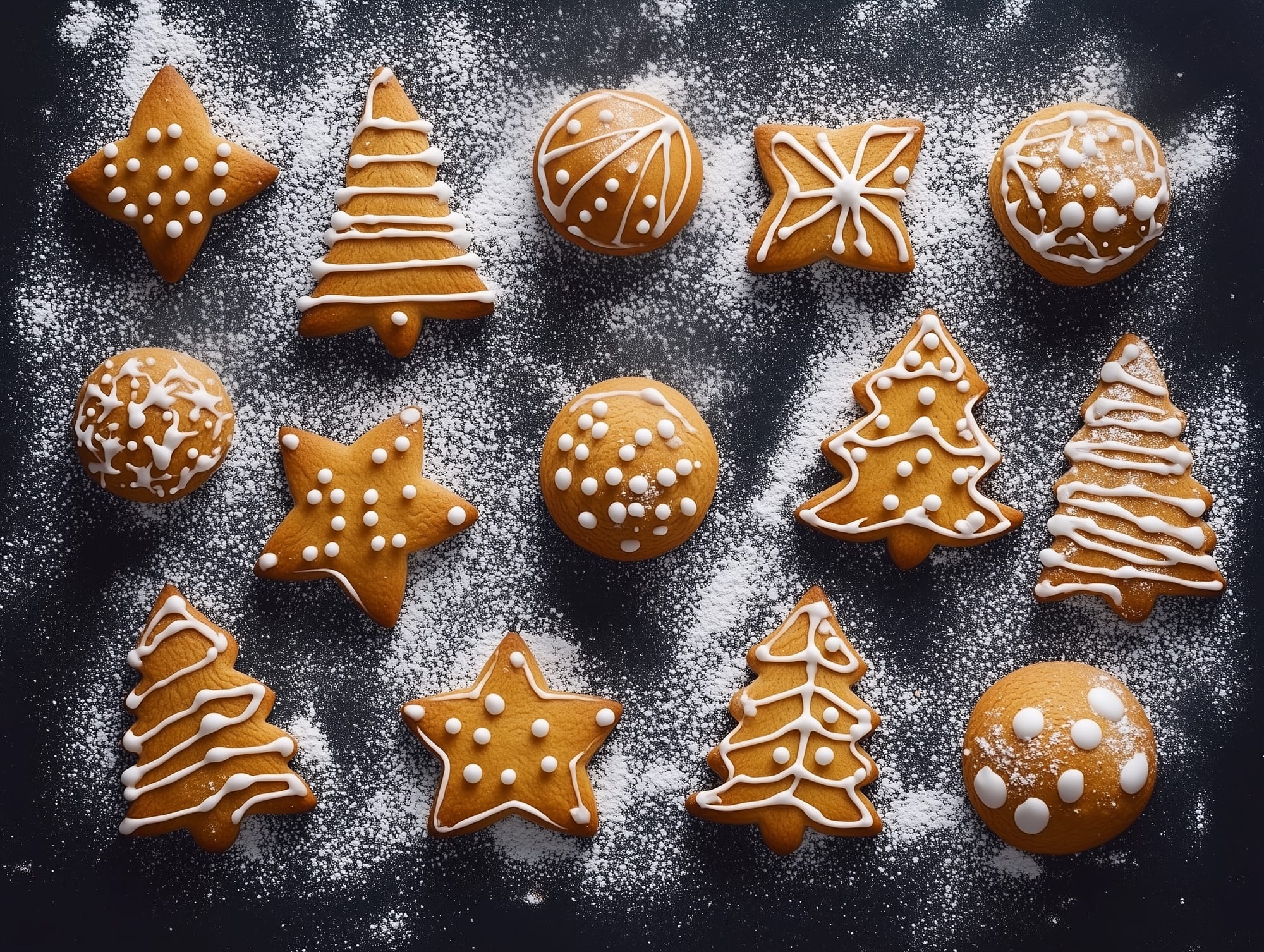
A Note on German Gingerbread
Lebkuchen, or German gingerbread, is a masterclass in chemistry. So many of its aspects are controlled by the fine precision of moisture, pH, and f…
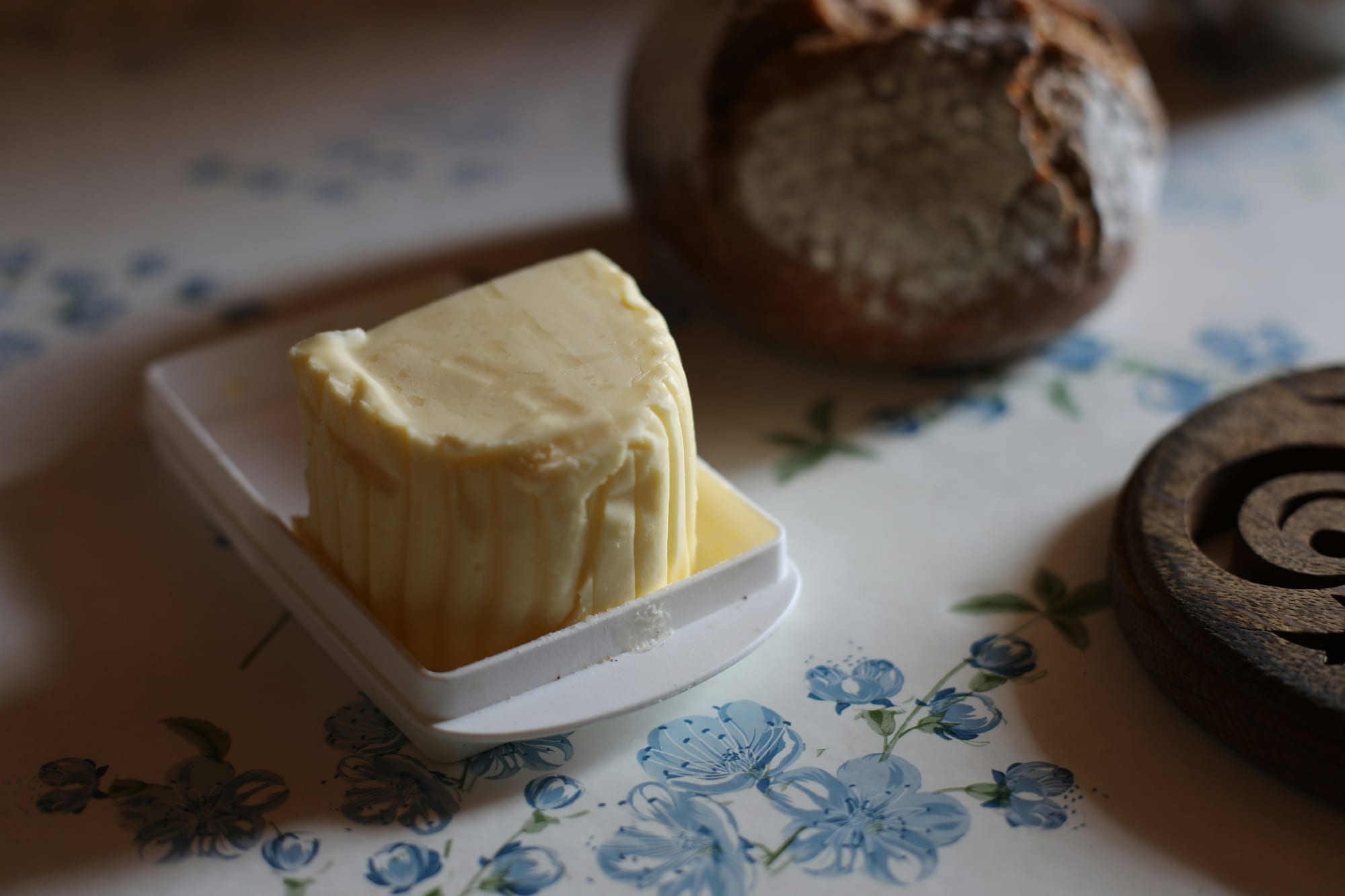
The Chemistry of the Churn
Butter is a dynamic emulsion containing so many different components - fats, proteins, water, sugars, organic acids. These all interconnect to crea…
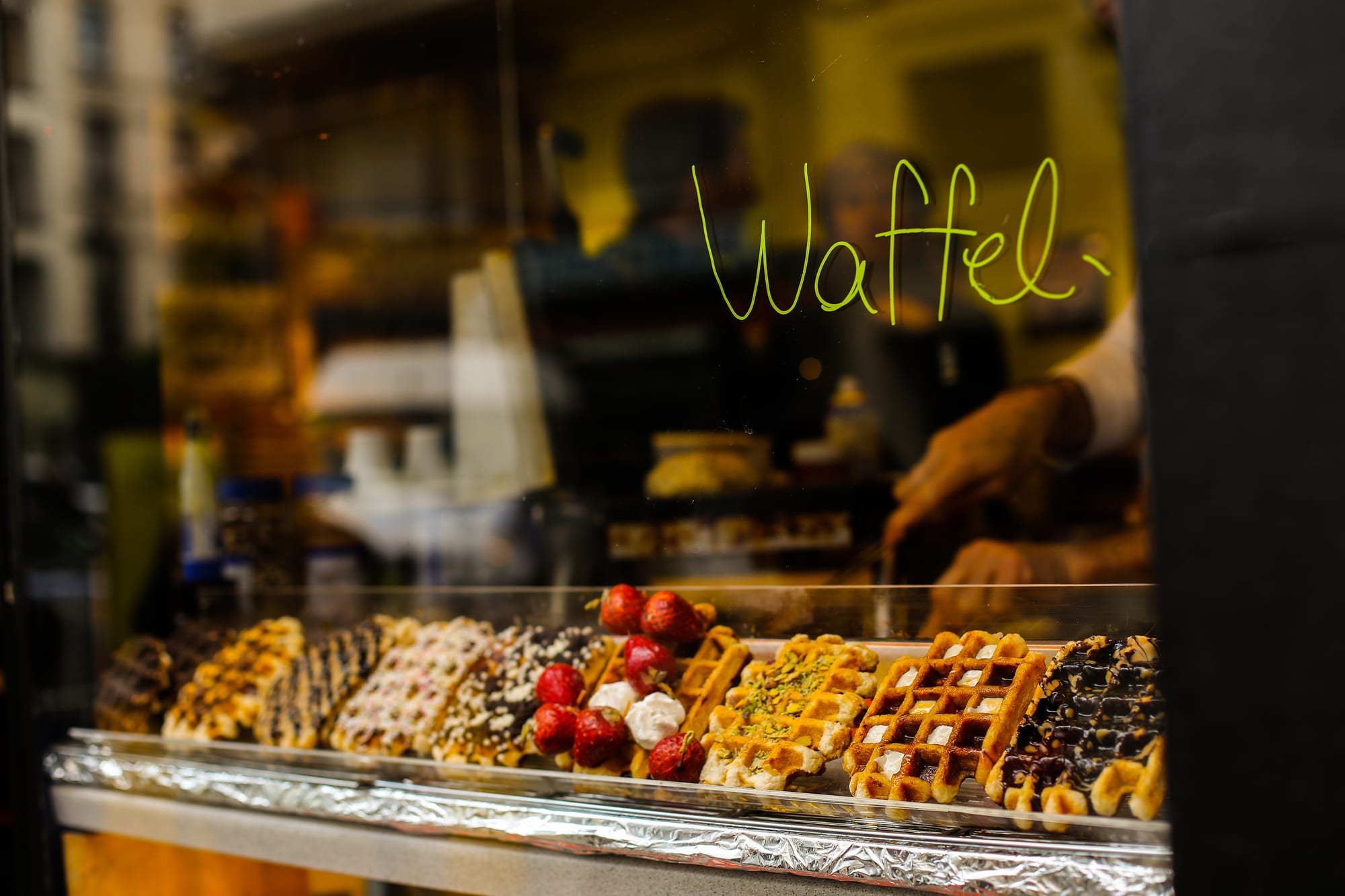
Why Are Belgian Waffles So Good?
The amazing chemistry behind Belgian waffles gives them the fluffiness, flavorful bites, and crisp textures that we've come to know and love.
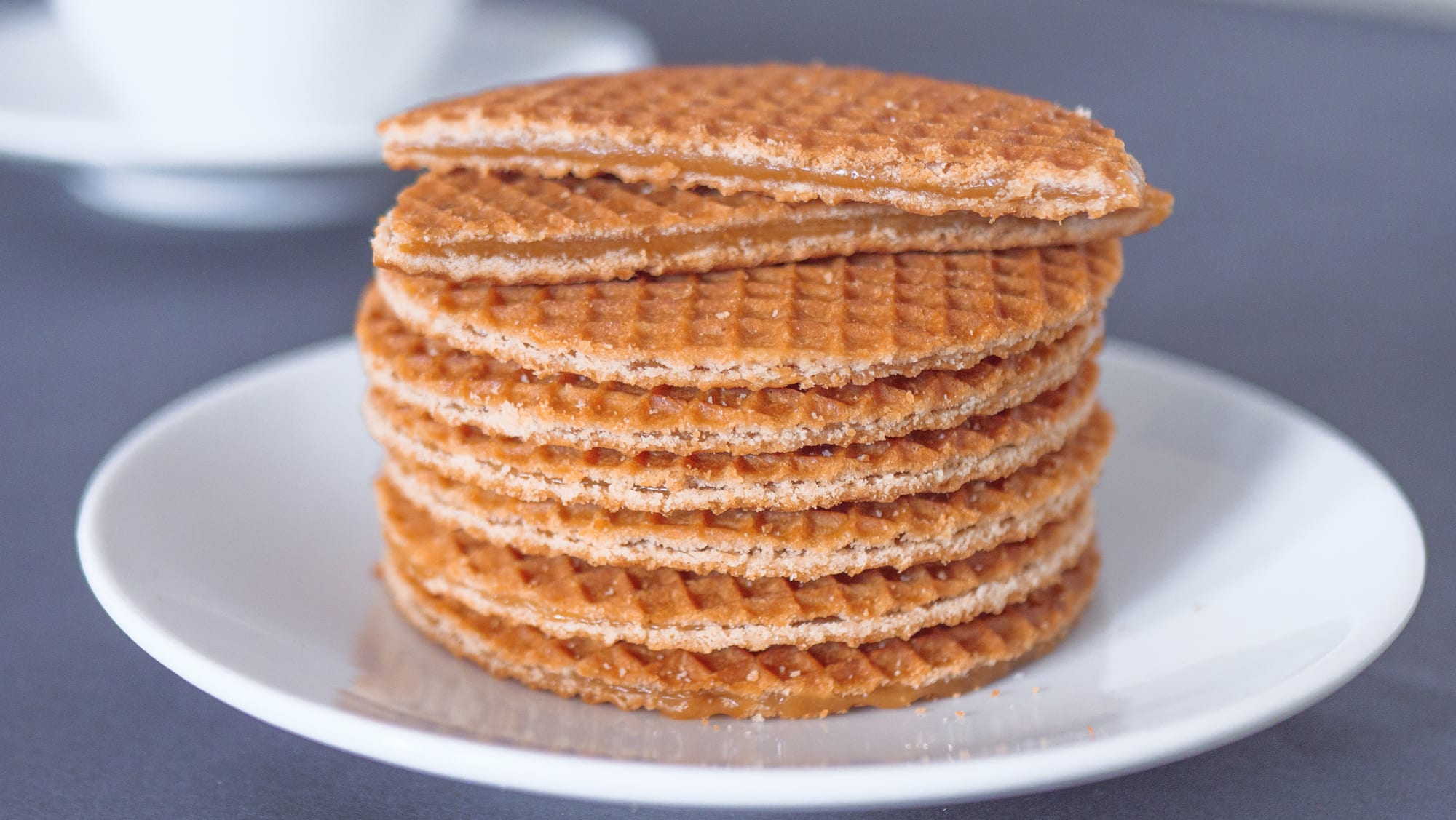
How Do Stroopwafels Stay Crispy and Chewy?
Stroopwafels are an amazing little snack from South Holland. Today, we can enjoy them on airplane flights, but today, we're going to take a quick l…
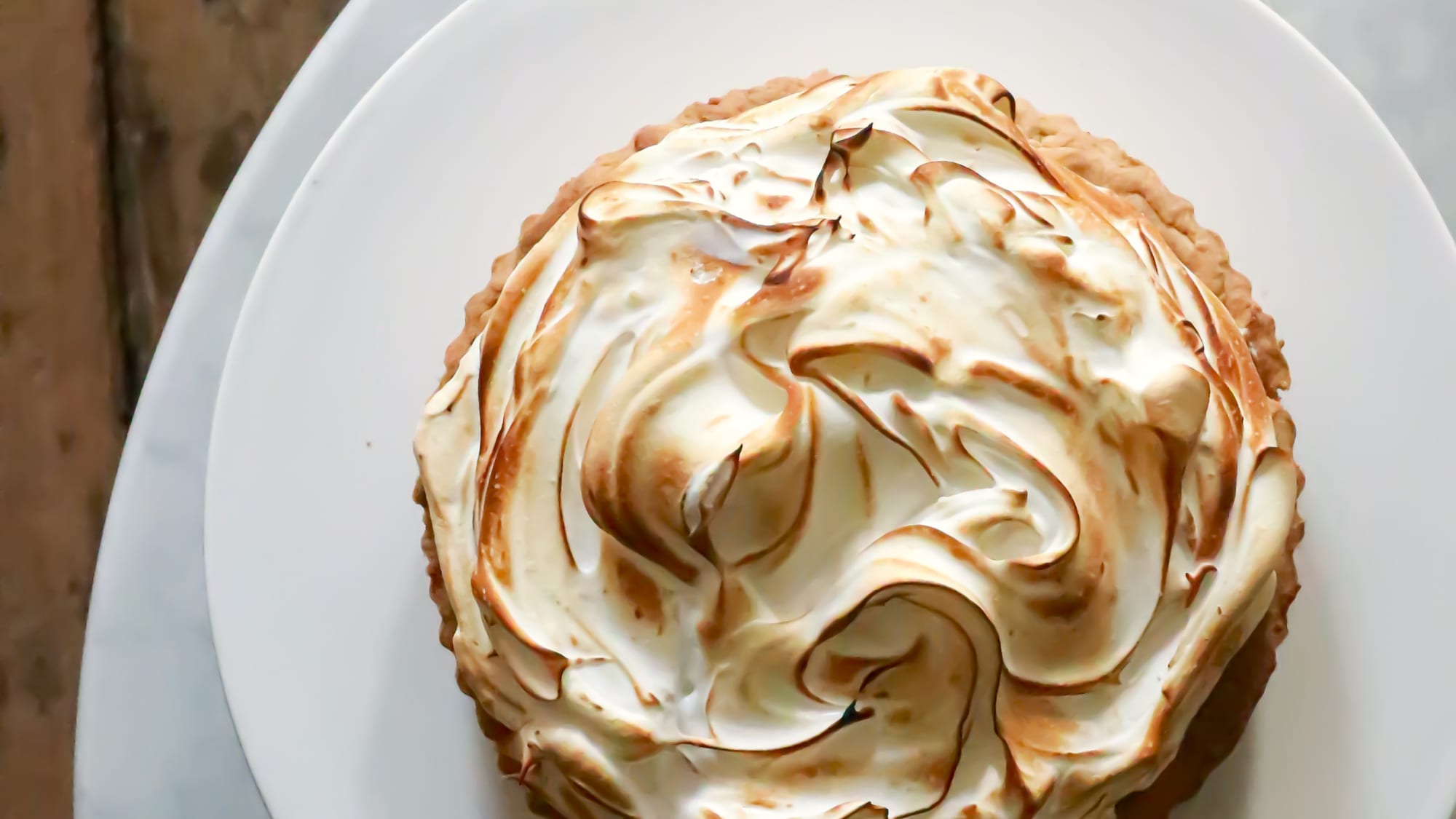
The Magic of Meringue
Making meringue is nothing short of magic. By transforming liquid egg whites into something delicate, foamy, and delicious, there's a beauty in thi…
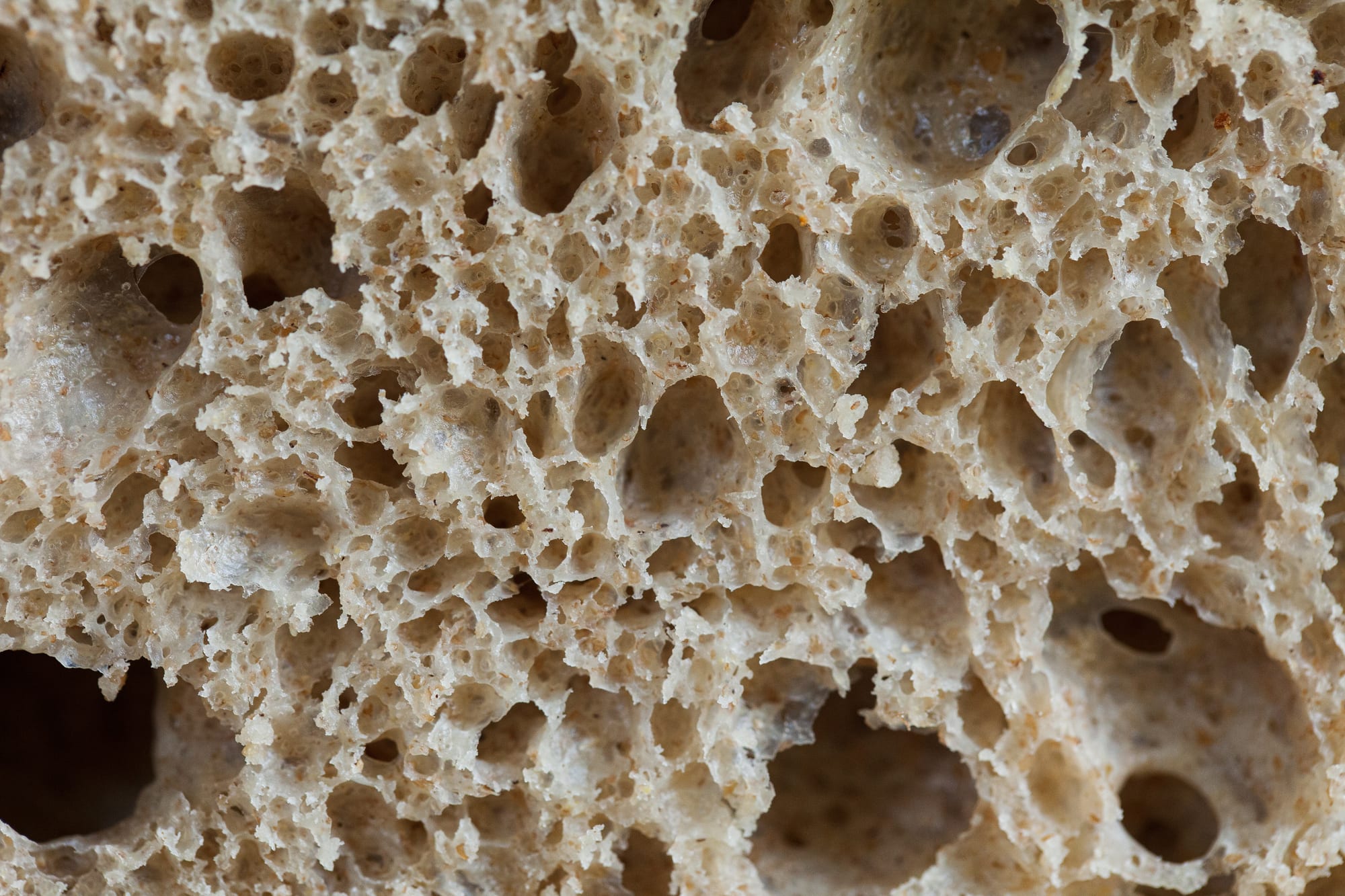
The Science of the Crumb
What is the science behind bread crumb? From soft brioche to hard sourdough, we explore what makes the difference.
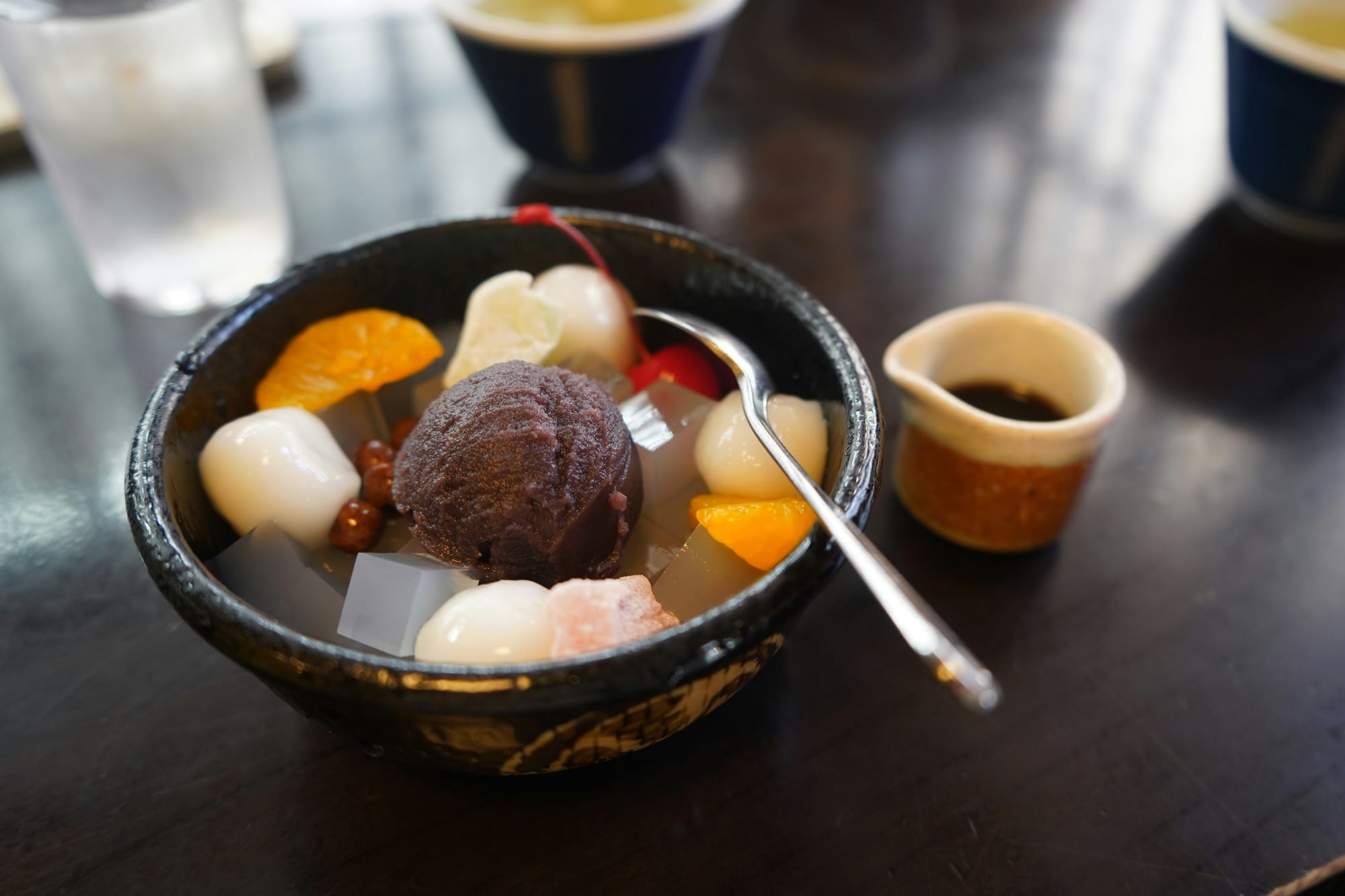
Anko - Sweet Red Bean Paste Mastery
Anko, or Japanese red bean paste, is an amazing combination of science and culinary artistry.
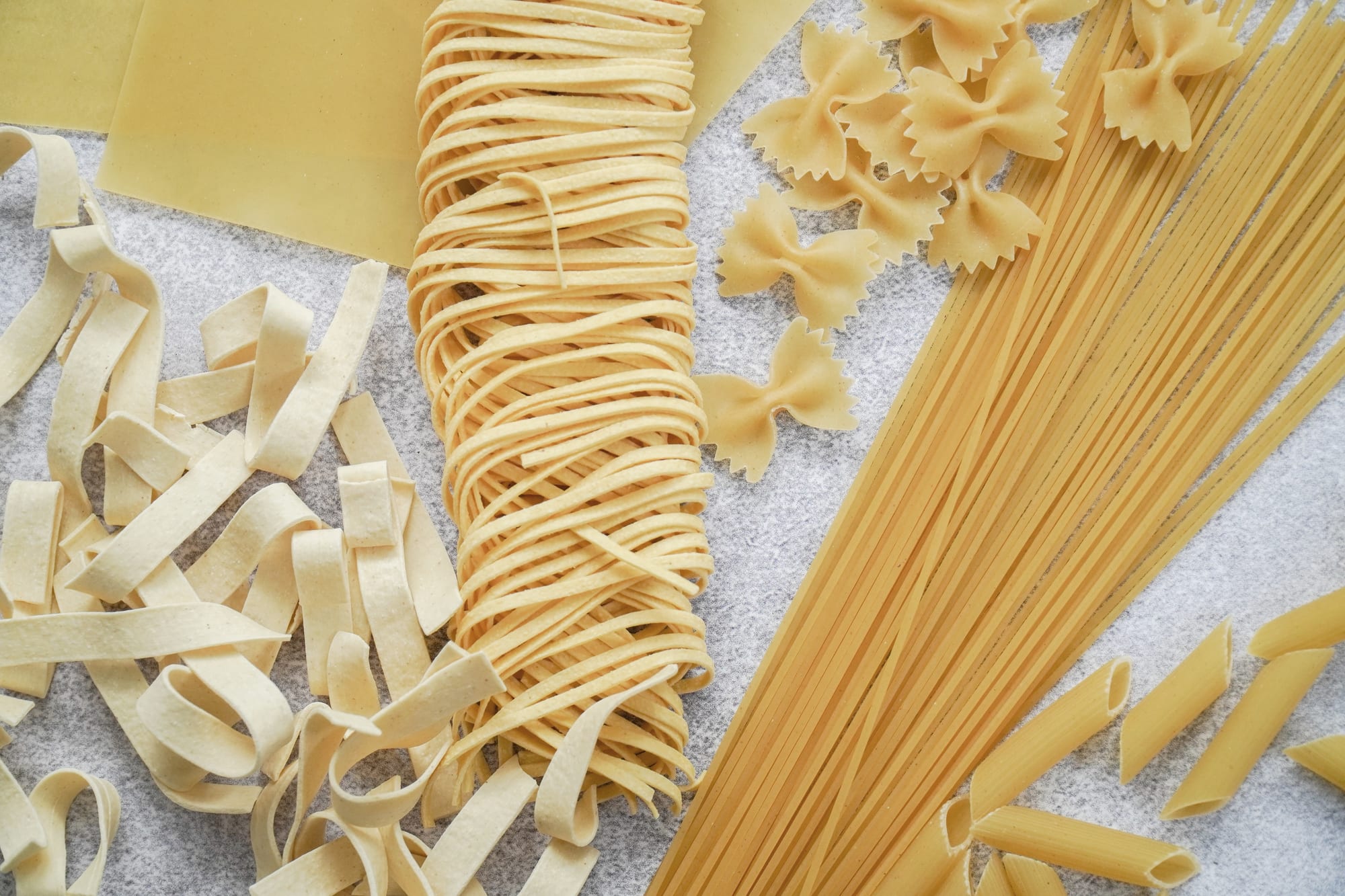
Al Dente - Why Properly Cooked Pasta Feels Better
What is it about well-cooked pasta that makes it so irresistable?
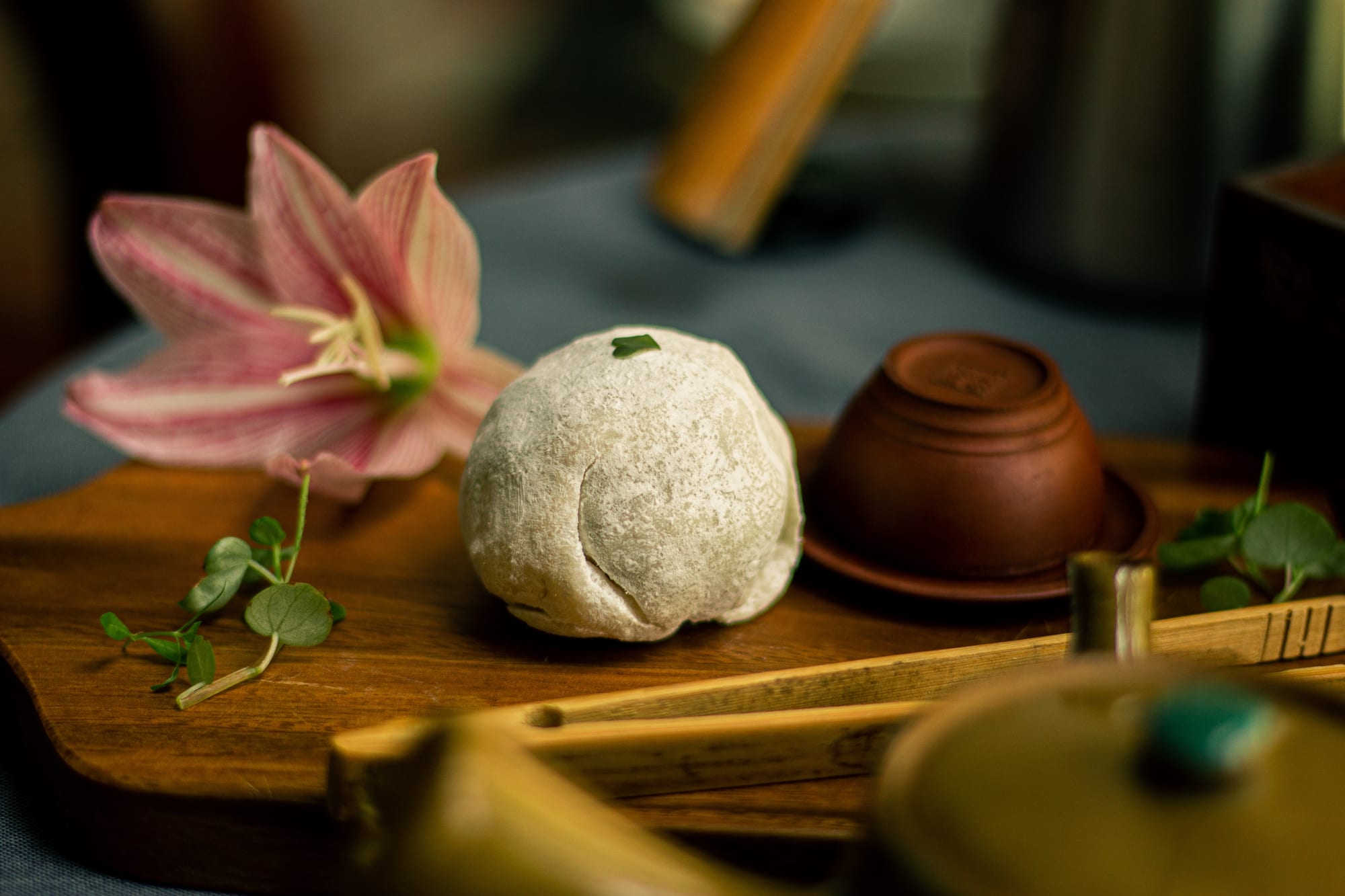
Mochi: How Rice Becomes Elastic
How does rice become elastic?
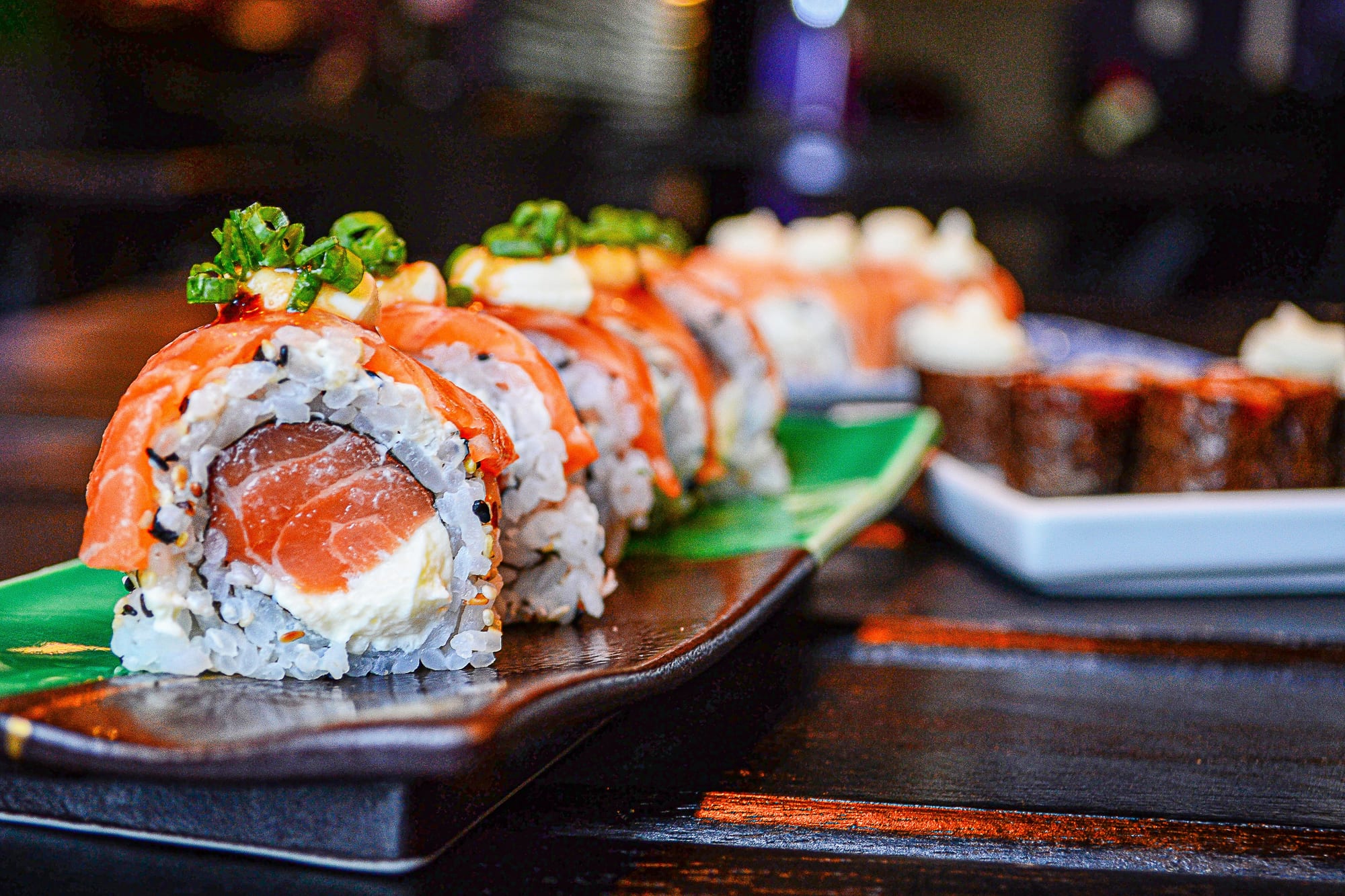
Sushi Rice: Why It Holds Together Without Being Sticky
What is it about sushi rice that allows it to stick together?
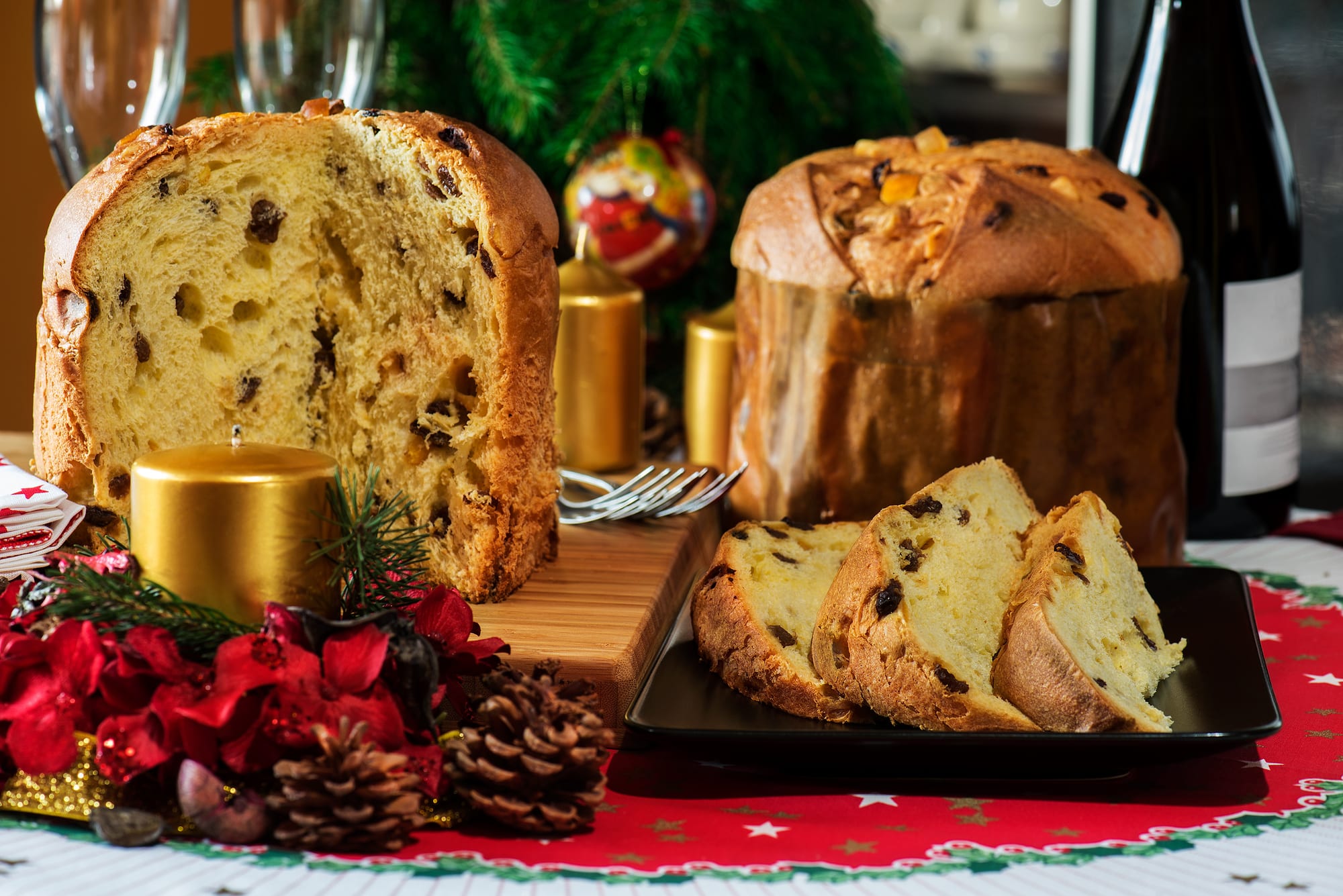
What's the Science Behind Fruitcakes?
How is it that fruitcake seems to be indestructible?
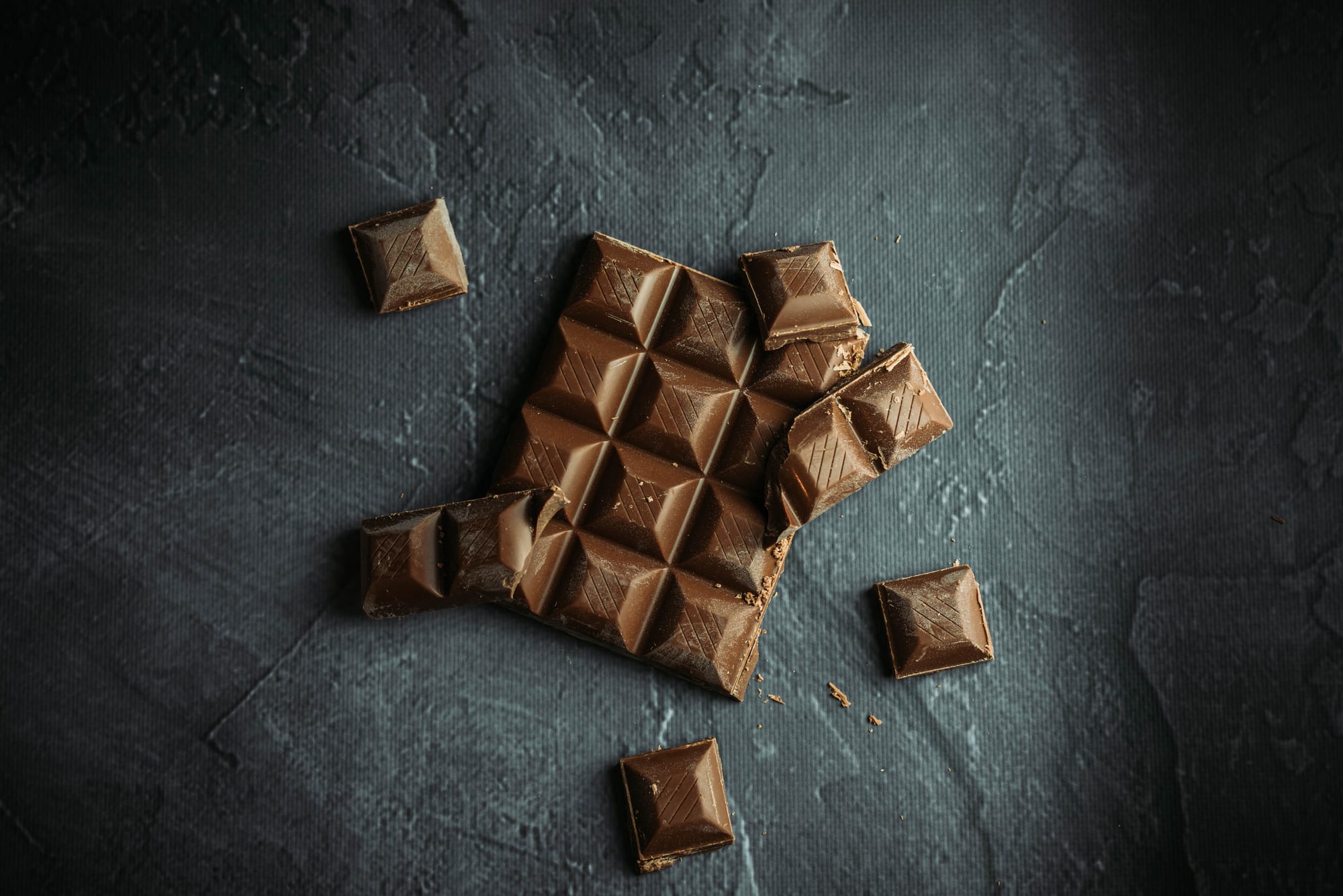
What's the Science Behind Chocolate Bloom?
What's going on with chocolate turning white as it gets old?
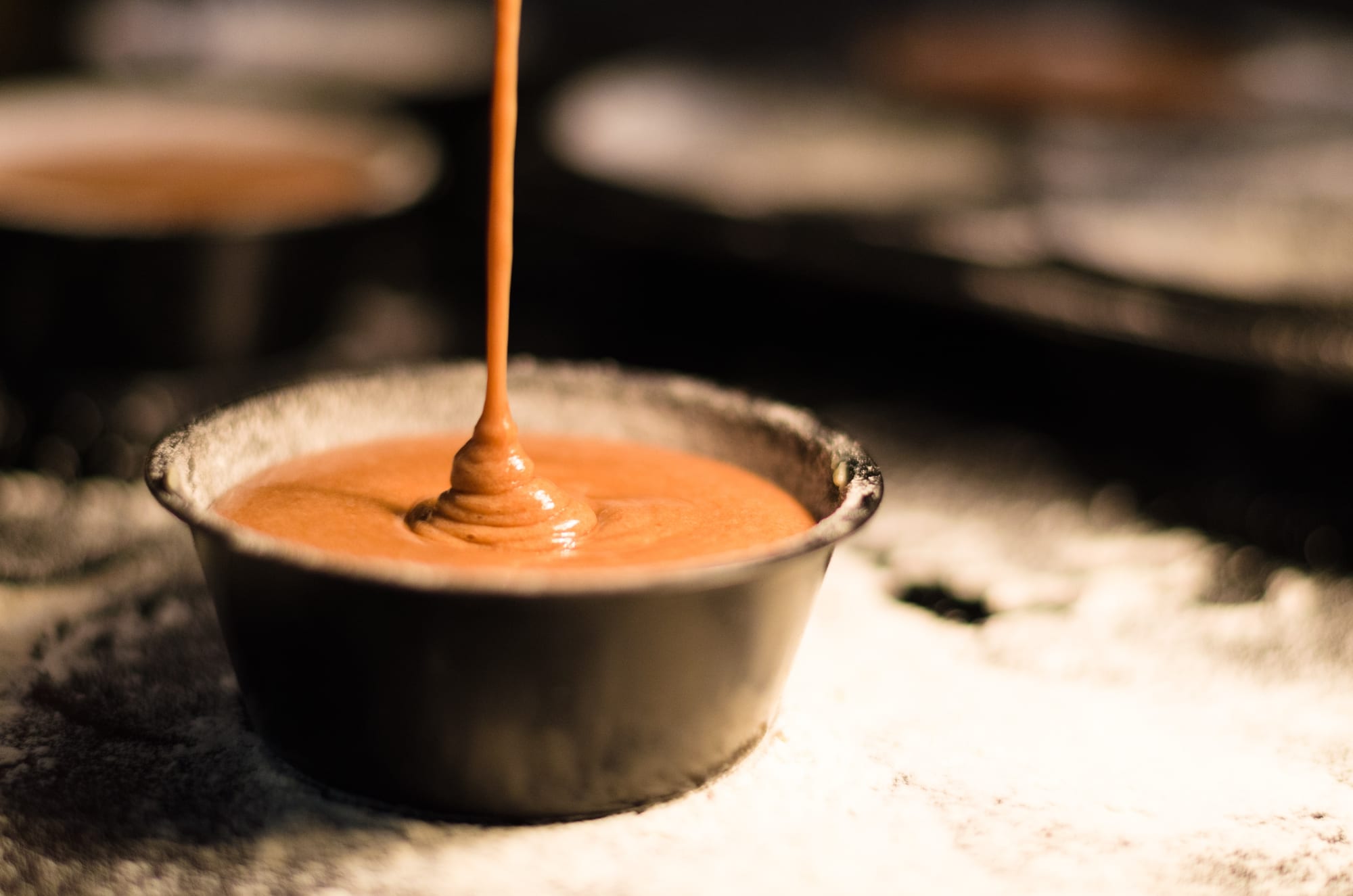
What is the Science Behind Sugar Caramelization?
What is happening when sugars are transformed into caramel?
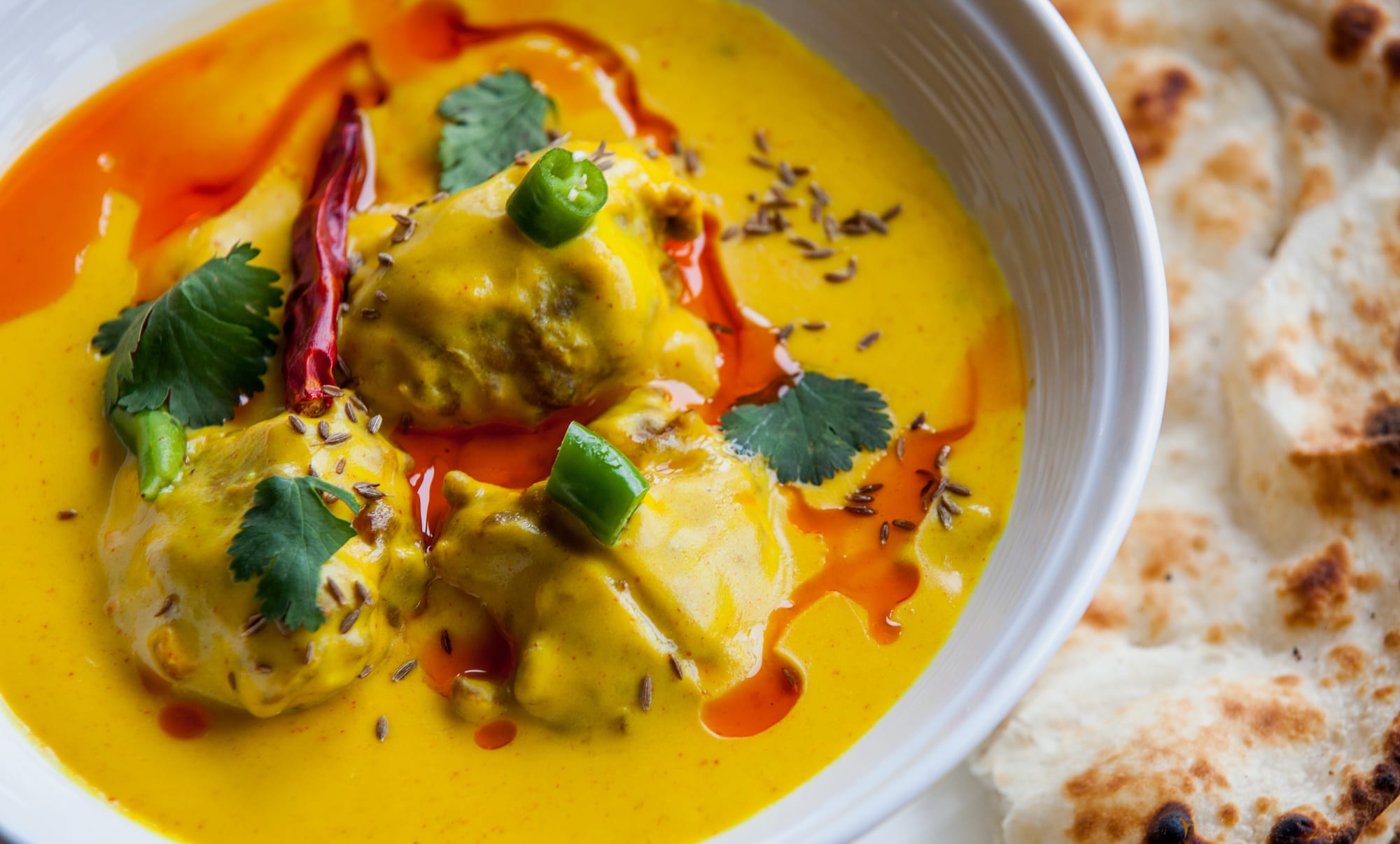
What's the Science Behind Tadka?
How does the technique of tadka work to infuse Indian dishes with their distinctive flavors?
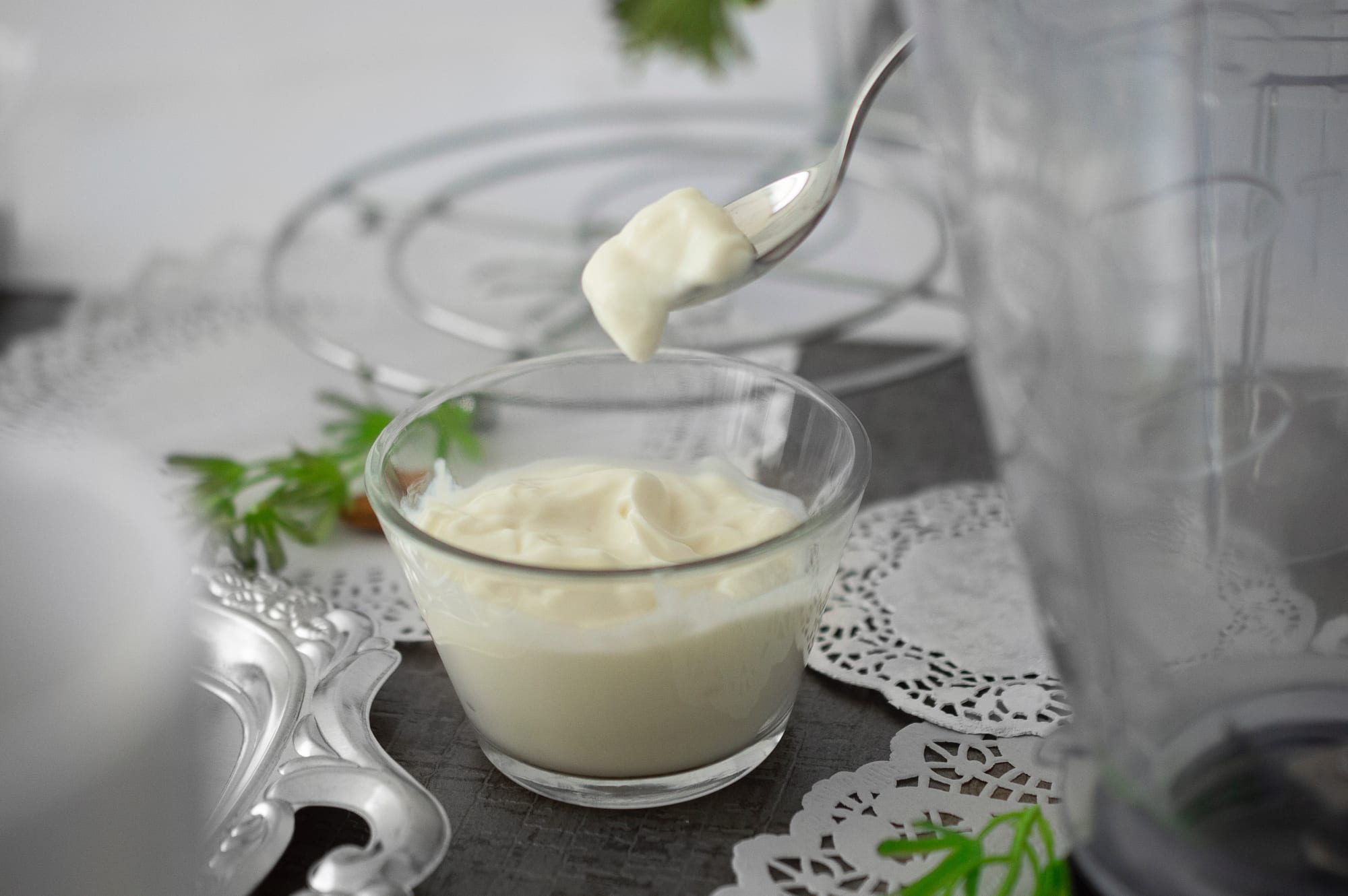
How Do Emulsifiers Keep Mayonnaise Intact?
What's so special about mayonnaise that allows oil and water to mix?
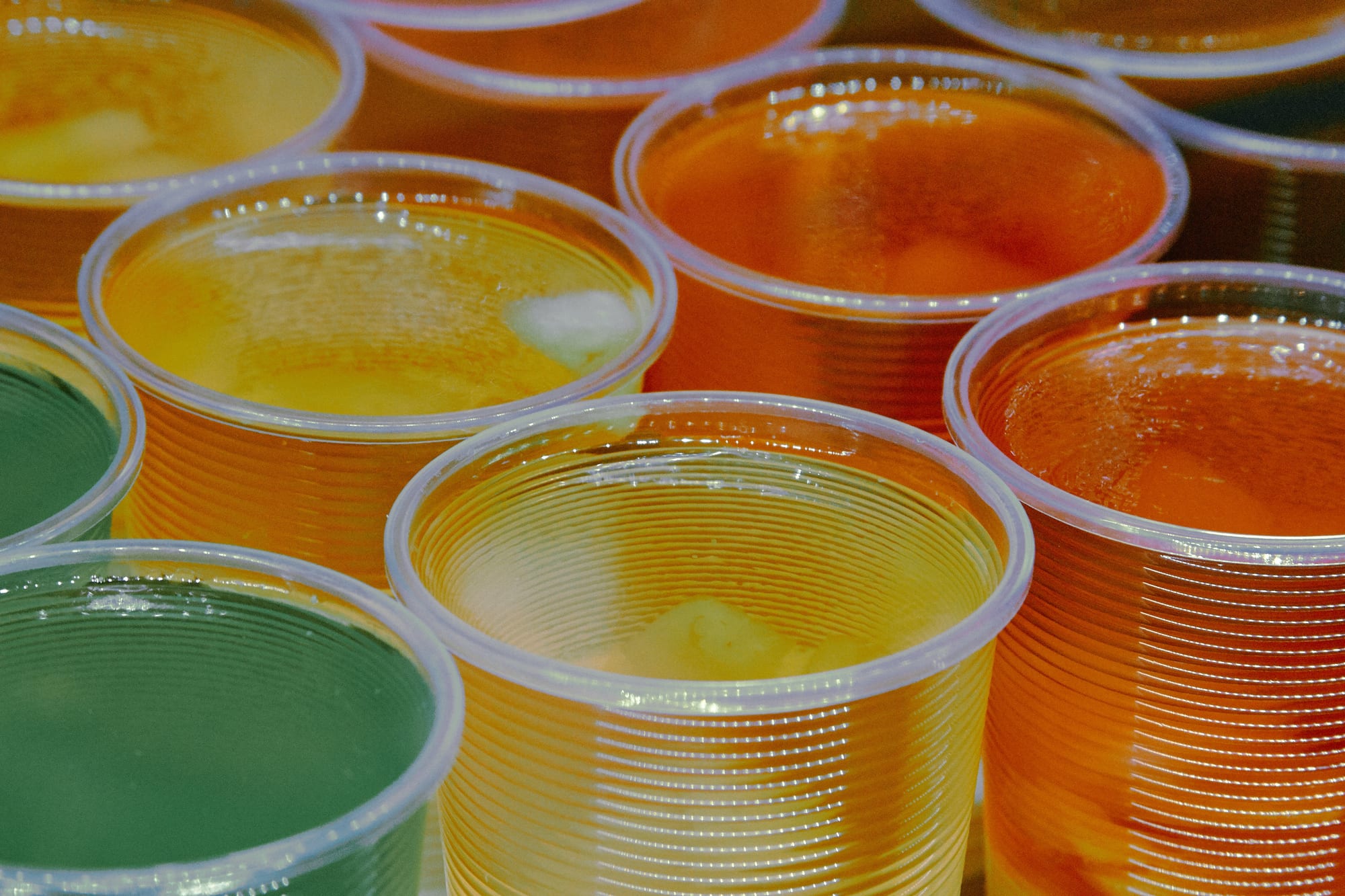
What Makes Jello Wiggle?
What is it that causes Jello to form a stable shape and structure?
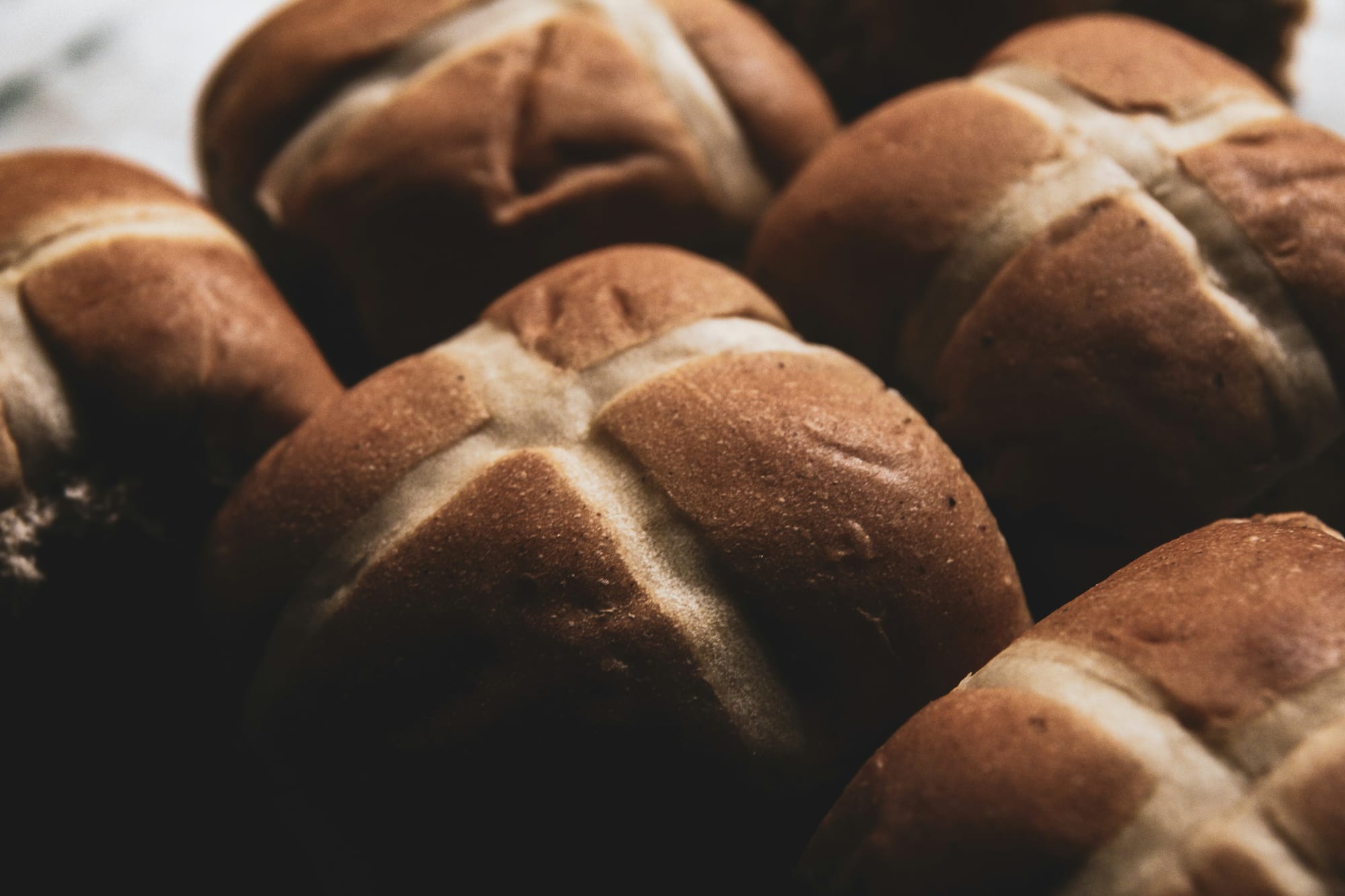
What is the Maillard Reaction?
The Maillard reaction is one of the most important reactions for creating flavor. Here we discuss a brief overview of what it is, what it works, an…
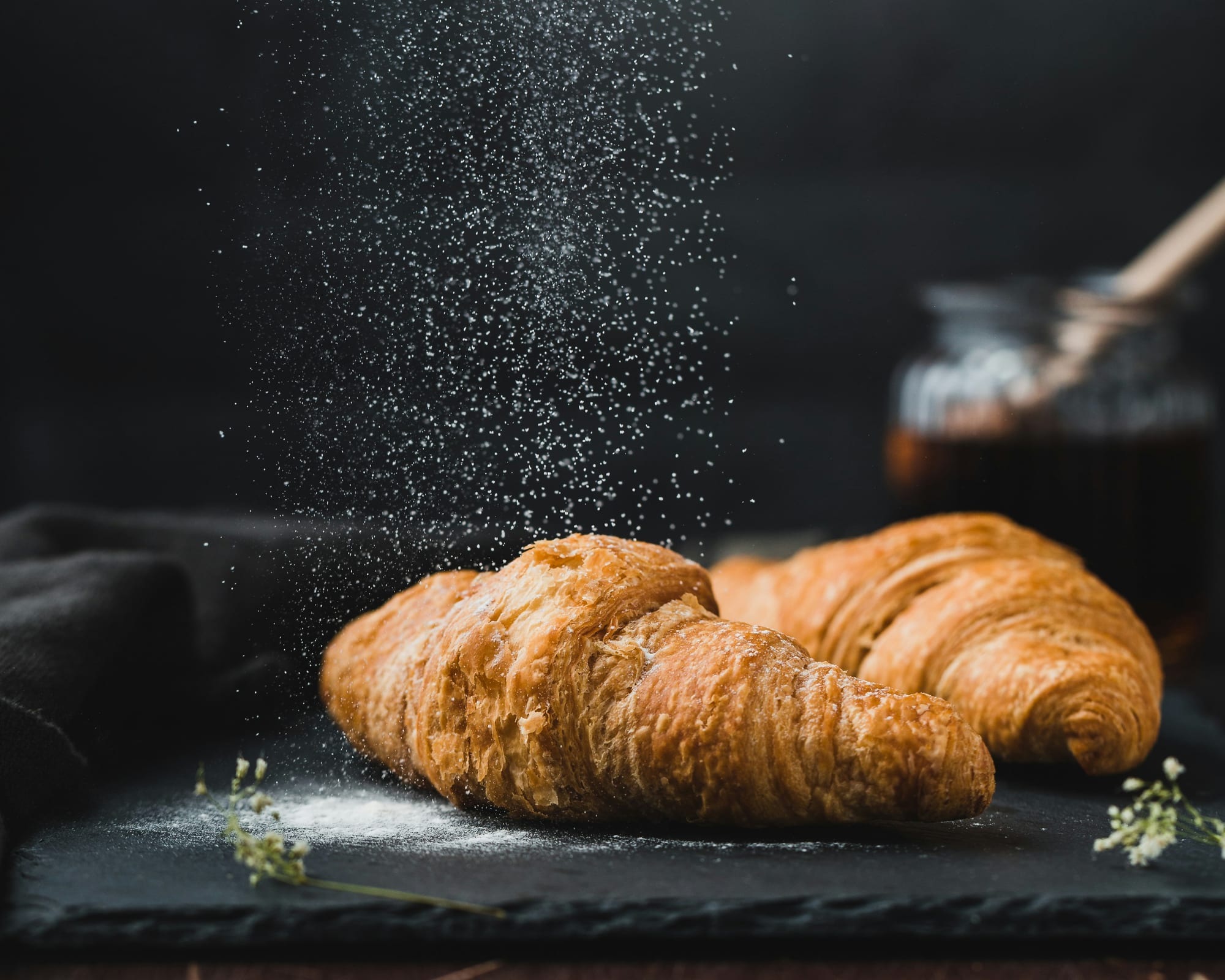
How Do Croissants Get Their Layers?
Croissants arrive with such flaky, buttery goodness. How do bakers do this? Here we explore the science behind croissants and their flaky layers.
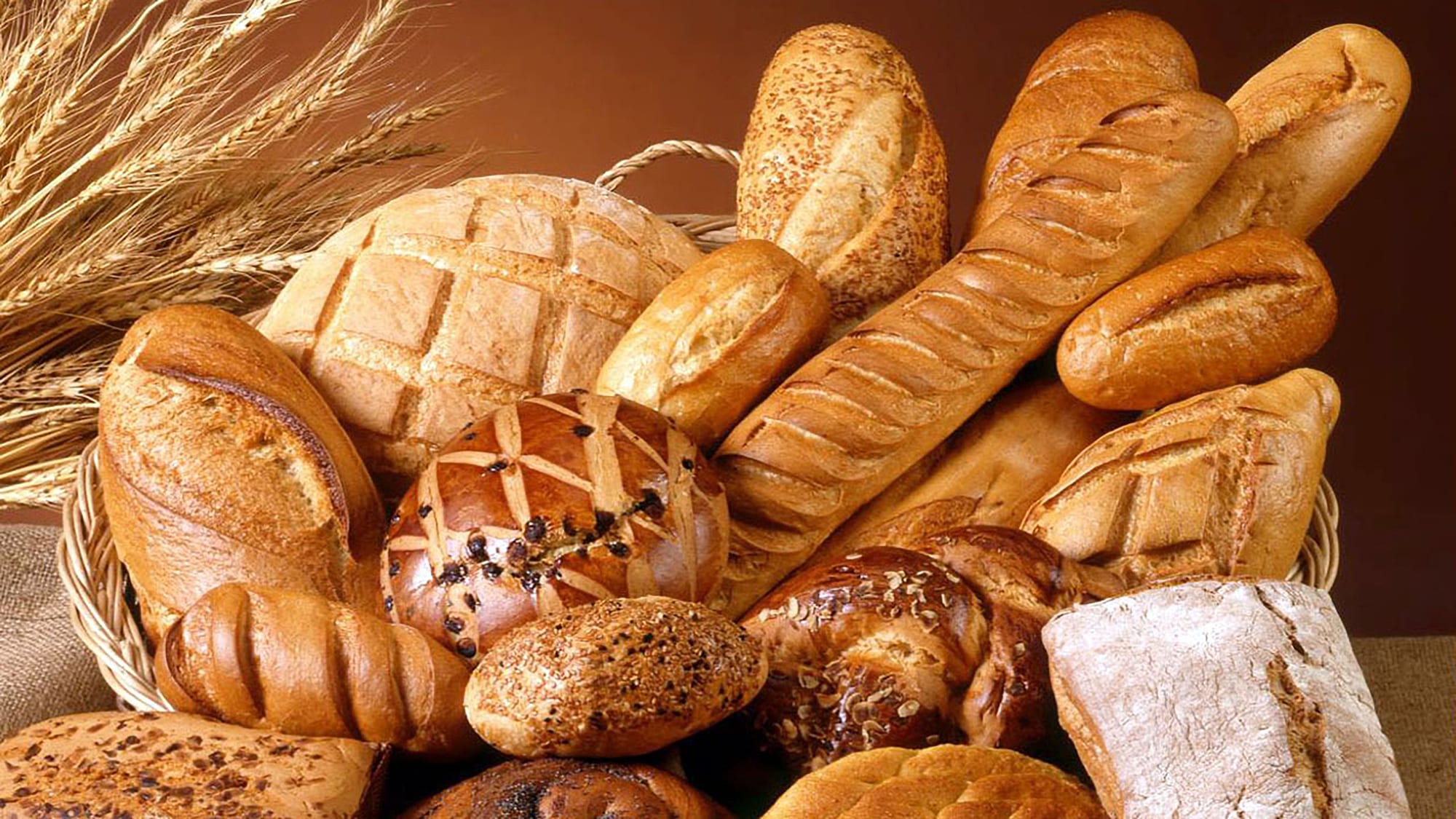
The Transformation of Starch
Starch is present in so much of our foods. We have demonized it as a source of unnecessary carbohydrates, but starch can also play an important rol…
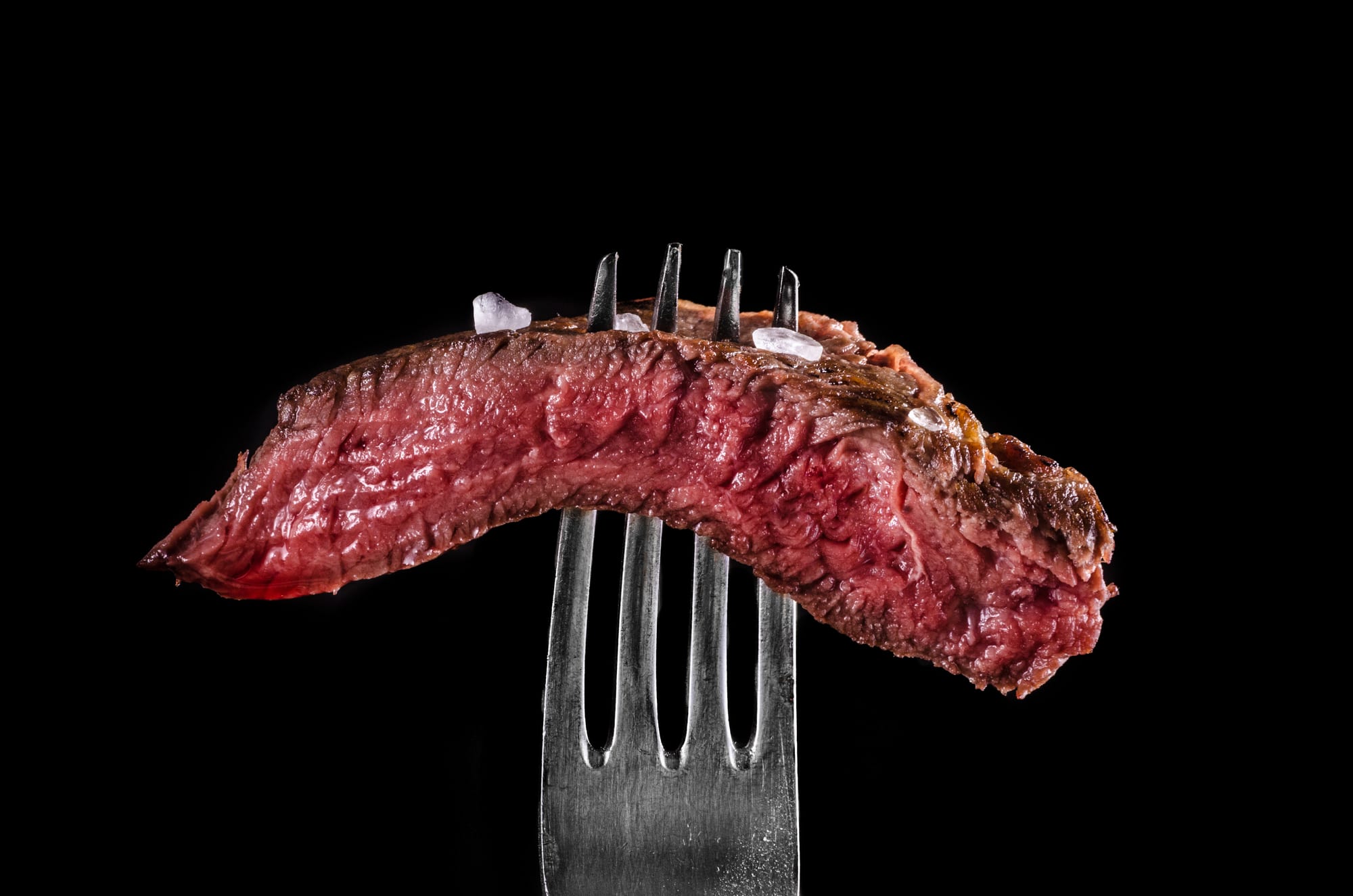
What’s That Red Juice in Steak?
Whenever you cut into a rare steak, there always seems to be a pool of red liquid. Is it blood? What is it?
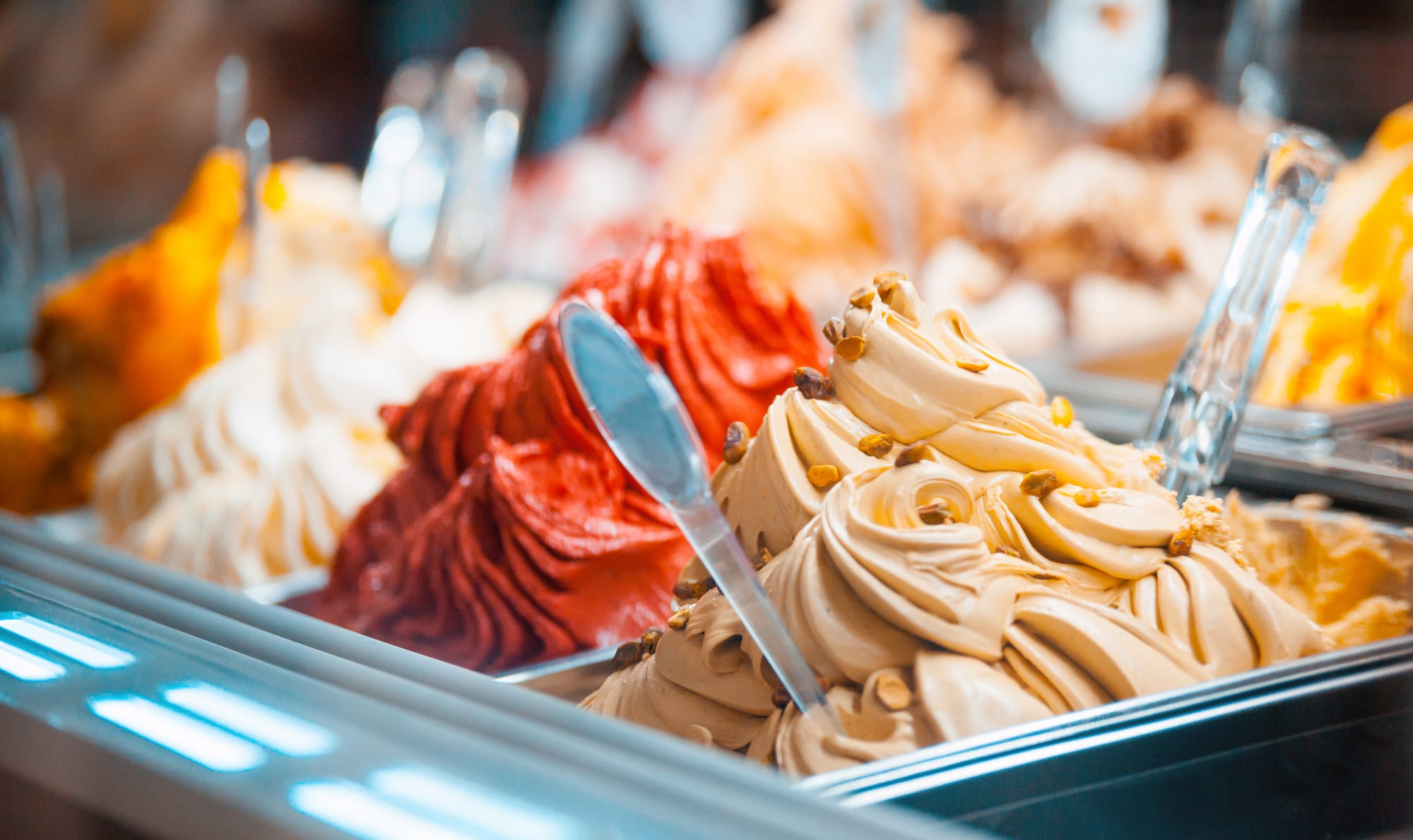
Why Does Gelato Look Stretchy?
What is it about gelato that makes it appear stretchy to the eye?
How Does the Phenyl Group Participate in the Maillard Reaction?
What is the role played by the phenyl group in a Maillard reaction? Does it change the reactivity in any way?
How Can Meat Reach a Safe Cooked Temperature and Still Be Moist?
How is that meat can remain moist despite being heated?
What Are the Benefits of Cast Iron Cooking?
The iron in cast iron pans can transfer over to your cooking, with both positive and negative effects.
What's the Science Behind Vietnamese Meatballs?
Vietnamese meatballs, or bo vien, have some very interesting recipe directions to make them. What's the science behind these instructions?
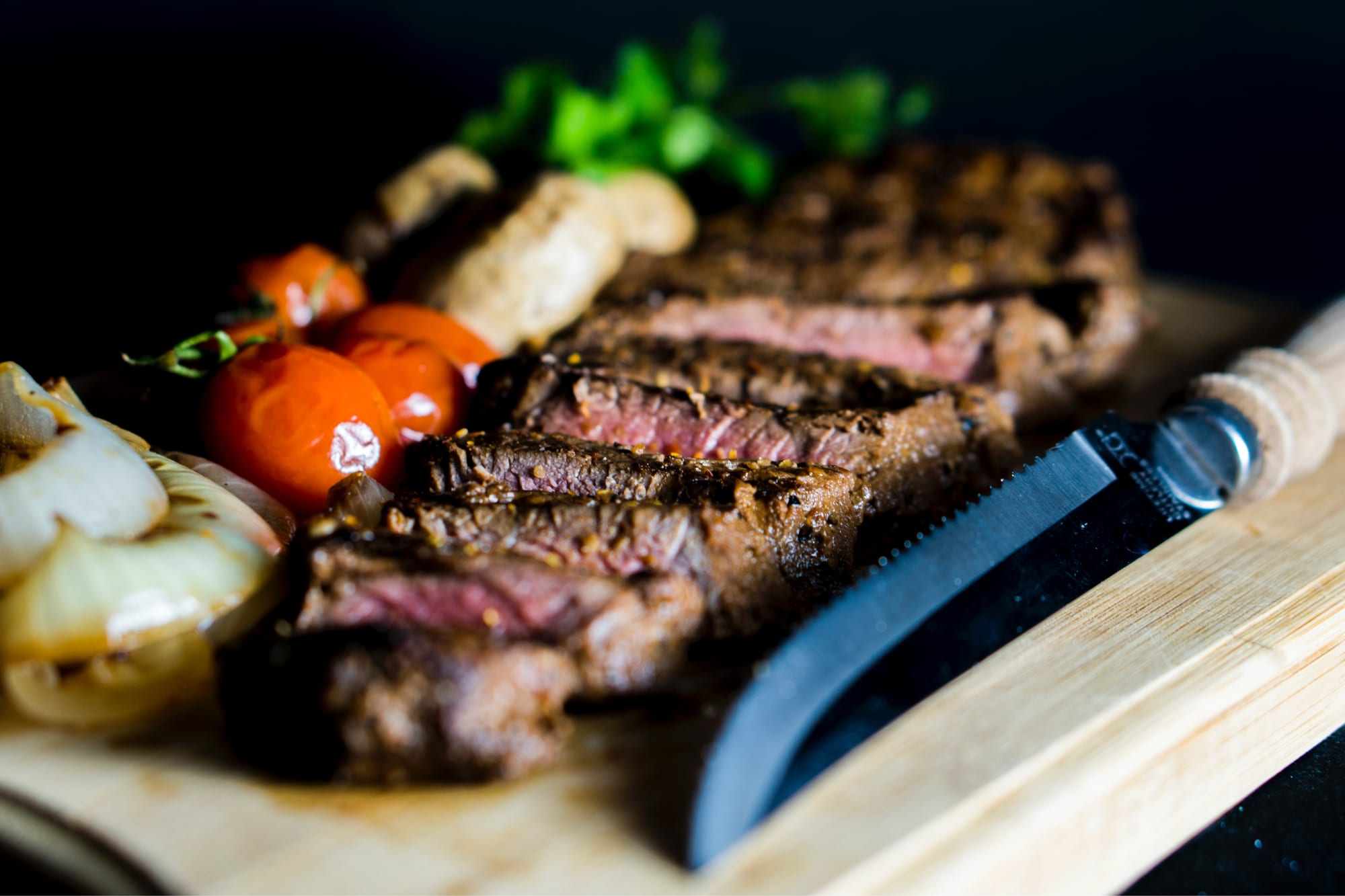
Where's the Sugar in Meat for the Maillard Reaction?
If meat doesn't have much sugar in it, how does the Maillard reaction proceed in cooked meat?